


 Current
location:
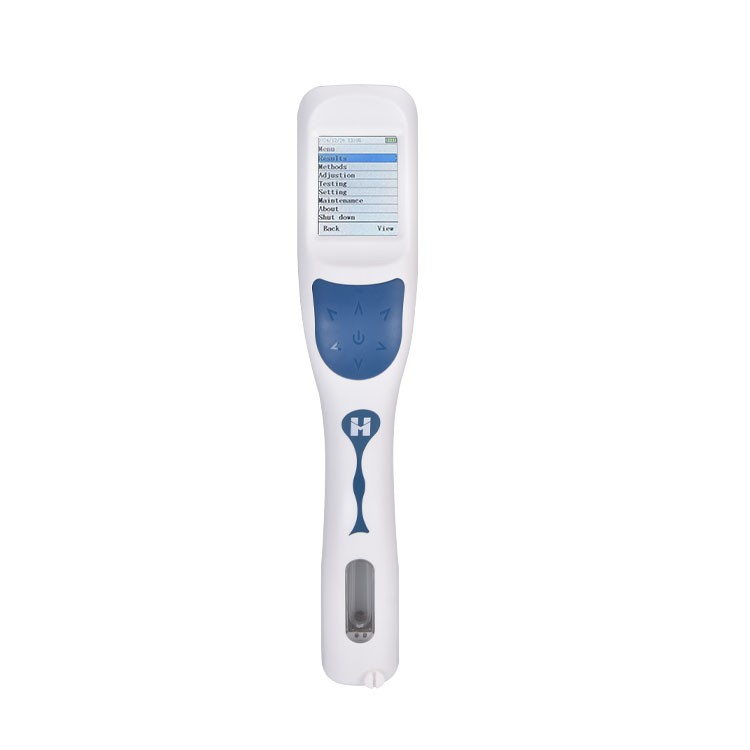
An oscillating U-tube density measurement depends on filling the measuring cell correctly and retaining the sample temperature. HM-DS measures density and temperature, then supports selected concentration calculations. Keep the direct measurement and the chosen calculation settings together in the record.
A practical measurement workflow
- Prepare a clean measuring cell and perform the prescribed reference check.
- Introduce a representative liquid sample and inspect the filling condition.
- Record density and temperature after the accepted measurement condition is reached.
- Apply the relevant concentration formula only when it matches the liquid composition and reporting basis.
How the measurement works
The instrument determines liquid density from the oscillation behavior of its U-shaped measuring tube. Its listed sample-contact materials include quartz glass and PTFE. HM-DS also offers built-in calculations for applications such as alcohol and sugar concentration, together with user-defined formulas.
Manufacturer-listed configuration
The HM-DS from HM Instruments provides the example configuration in this guide.
| Item | Listed specification |
|---|---|
| Density range | 0.0000–3.0000 g/cm³ |
| Listed density accuracy | 0.001 g/cm³ |
| Temperature measurement | 0.0–50.0 °C |
Interpreting the result
The displayed increment is 0.0001 g/cm³, while the source lists density accuracy as 0.001 g/cm³. Use the accuracy specification and method requirements when assessing suitability.
Common questions
Does a finer display guarantee better accuracy?
Display resolution and measurement accuracy describe different instrument properties.
Can density determine every mixture concentration?
A concentration calculation needs a suitable relationship for the composition and temperature conditions of that liquid.
Retain the sample identity, method settings and control results with the reported measurement. Use the operating procedure supplied for the selected configuration.
Article address:https://www.labinstruments.net/news/understanding-u-tube-liquid-density-measurements.html