


 Current
location:
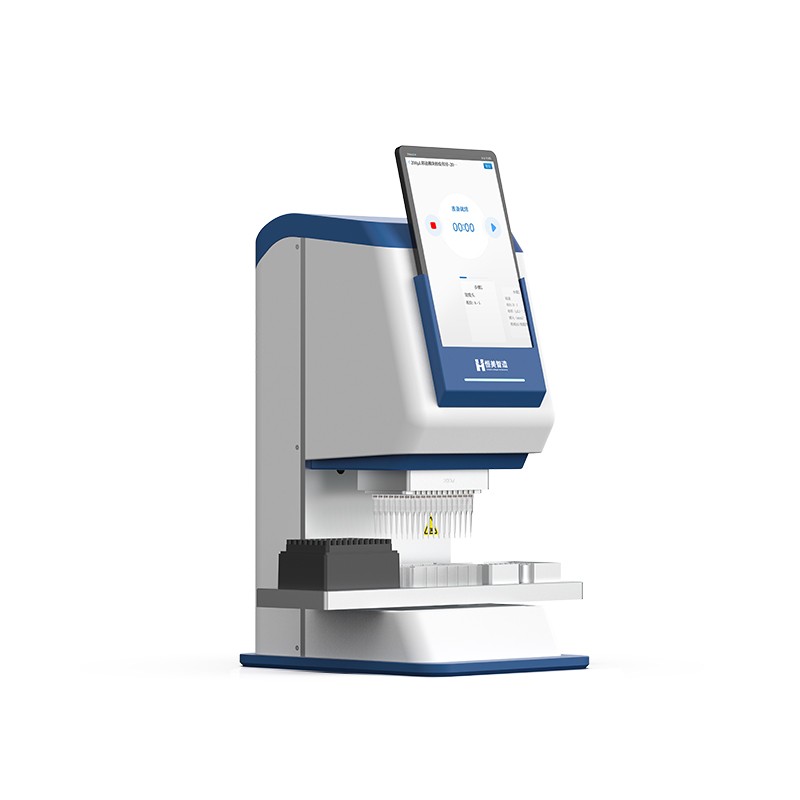
Set up a 96-channel method by defining labware, liquid properties, volumes and the plate map. YA200-3 supports adjustable aspiration and dispensing speeds. Method settings need to be checked with the intended liquid, tips and plates before routine use.
A practical measurement workflow
- Define the source and destination labware and assign the deck positions.
- Set volumes, speeds and mixing steps for the actual liquid.
- Check transfers using an appropriate measurement procedure at the intended working volumes.
- Run the plate map with the required controls and retain the method version.
How the measurement works
The workstation combines XYZ motion, an air-displacement pipetting module and tablet-based control. The source describes reagent addition, serial dilution, mixing and plate-format tasks. Deck layout, dead volume and consumable compatibility affect how the programmed operation works in practice.
Manufacturer-listed configuration
The YA200-3 from HM Instruments provides the example configuration in this guide.
| Item | Listed specification |
|---|---|
| Channels | 96 |
| Deck positions | 3 |
| Pipetting range | 5–200 µL |
Interpreting the result
Listed performance is tied to specified test volumes and conditions. Verify the method with the actual liquid, consumables and settings used in the assay.
Common questions
Does a 96-channel head guarantee 96 reportable samples?
The assay layout also includes standards, controls, replicates and any unused wells.
Why does deck capacity matter?
Sources, destinations and tip handling must fit the available positions or a defined loading sequence.
Retain the sample identity, method settings and control results with the reported measurement. Use the operating procedure supplied for the selected configuration.
Article address:https://www.labinstruments.net/news/setting-up-a-96-channel-liquid-handling-method.html