


 Current
location:
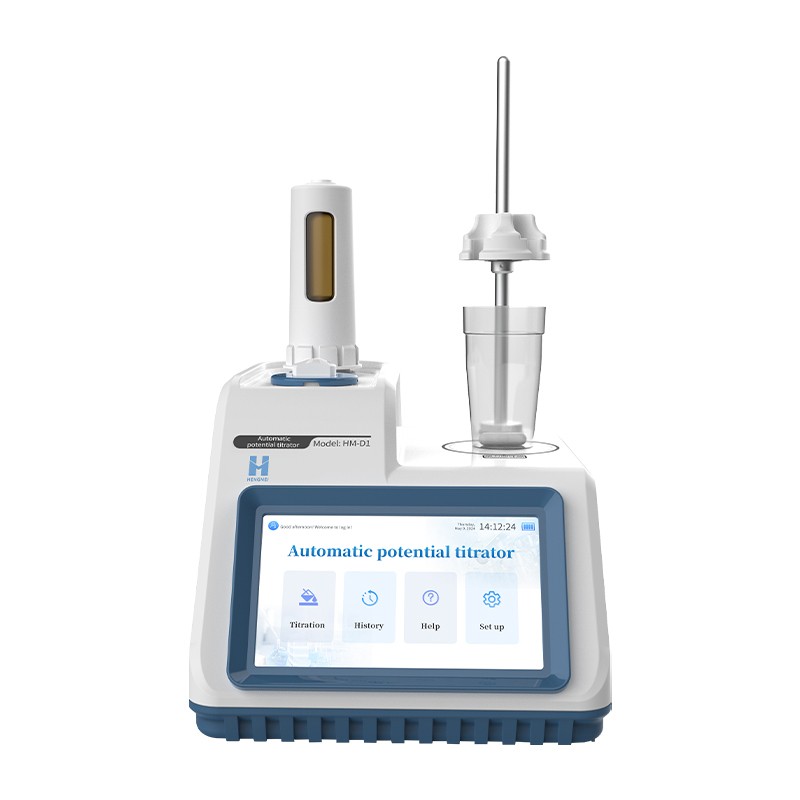
A reliable potentiometric titration uses an electrode response and dosing strategy appropriate to the reaction. HM-D1 records the titration curve and supports dynamic, equal-increment, preset-endpoint and manual modes. The accepted endpoint must match the analytical method.
A practical measurement workflow
- Prepare the electrode and standardize the titrant according to the method.
- Record the sample quantity and perform the required blank determination.
- Run the chosen dosing and endpoint program while retaining the titration curve.
- Review the endpoint and calculation factors before exporting the result.
How the measurement works
Potentiometric titration follows a change in measured potential as titrant is added. The selected electrode, solution conditions and titration settings influence the curve. The HM-D1 source record identifies one dosing line and one titration unit, with saved methods and result export.
Manufacturer-listed configuration
The HM-D1 from HM Instruments provides the example configuration in this guide.
| Item | Listed specification |
|---|---|
| Dosing configuration | One dosing line / titration unit |
| Potential range | −2000 to +2000 mV |
| Data export | PDF and Excel |
Interpreting the result
Electronic pH display range and practical electrode applicability describe different things. Select the electrode and solution conditions for the intended chemistry, and retain the method-specific endpoint rule.
Common questions
Does HM-D1 have multiple independent dosing lines?
The saved technical record identifies a single dosing line and one titration unit.
Why retain the titration curve?
It allows the endpoint selection and reaction behavior to be reviewed alongside the final calculated result.
Retain the sample identity, method settings and control results with the reported measurement. Use the operating procedure supplied for the selected configuration.
Article address:https://www.labinstruments.net/news/potentiometric-titration-and-endpoint-selection.html