

 Current
location:
Current
location: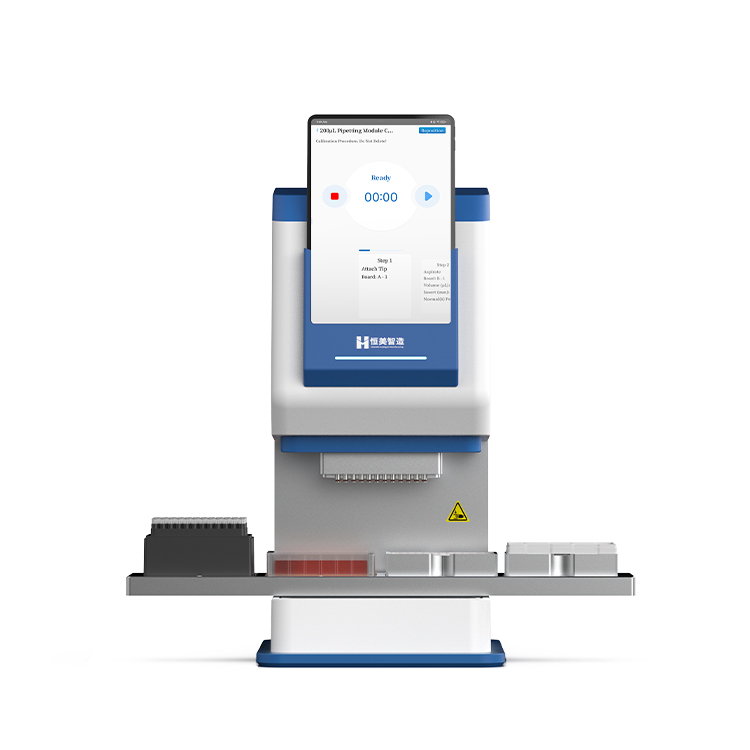
 +86 17853698681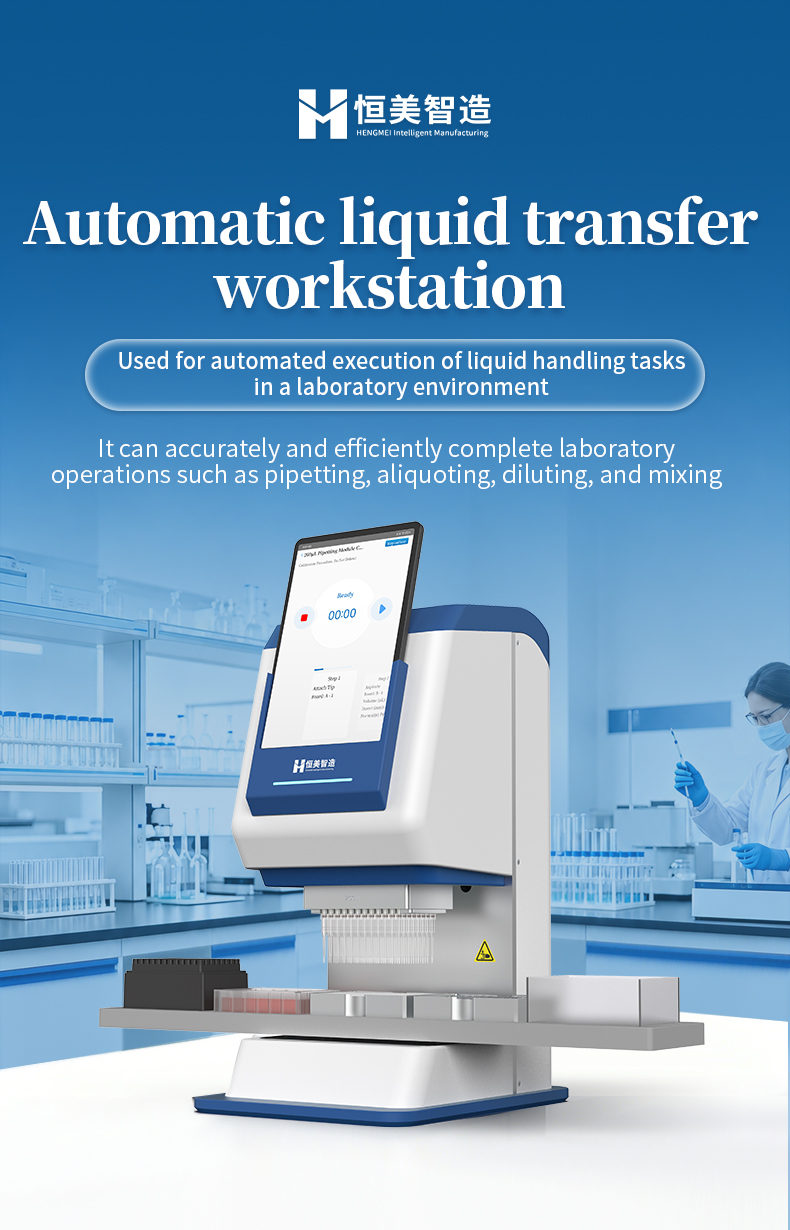
Product Introduction
Molecular diagnostics laboratories face a persistent bottleneck: manual 96-well plate processing introduces well-to-well variation that directly impacts qPCR Ct value consistency and NGS library coverage uniformity. Experienced technicians typically achieve CV values of 2–5% when manually dispensing 10–20 μL volumes across 96 wells — variation that propagates through downstream analysis and can invalidate quantitative results.
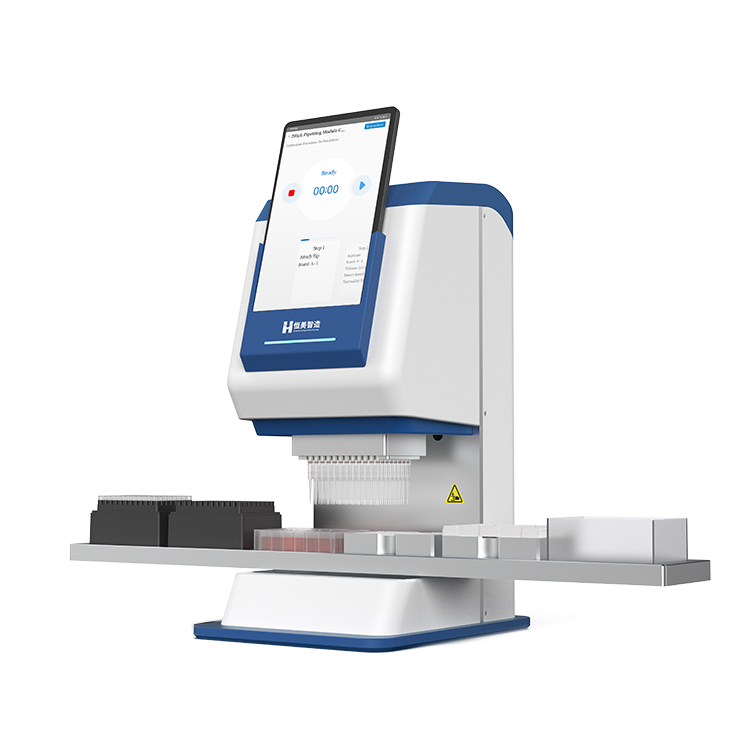
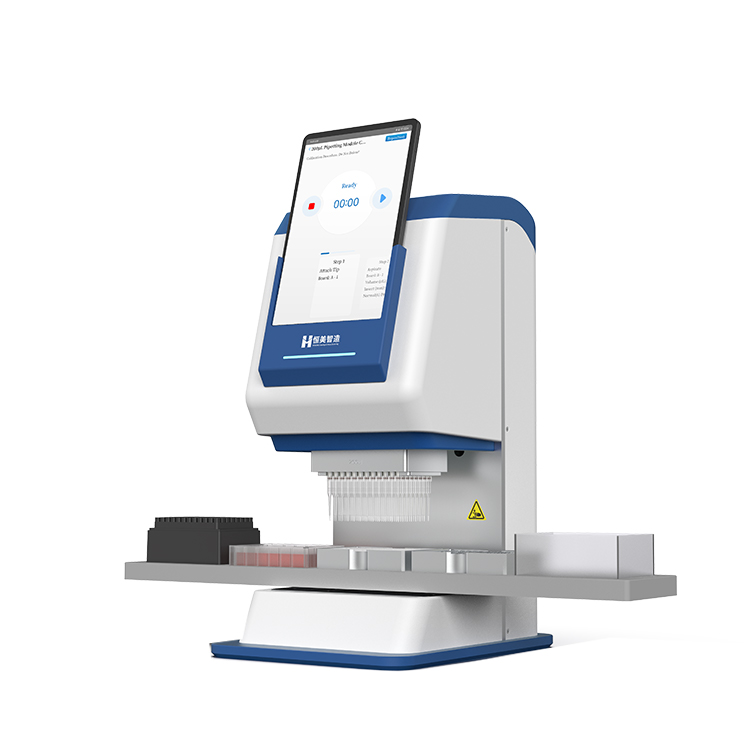
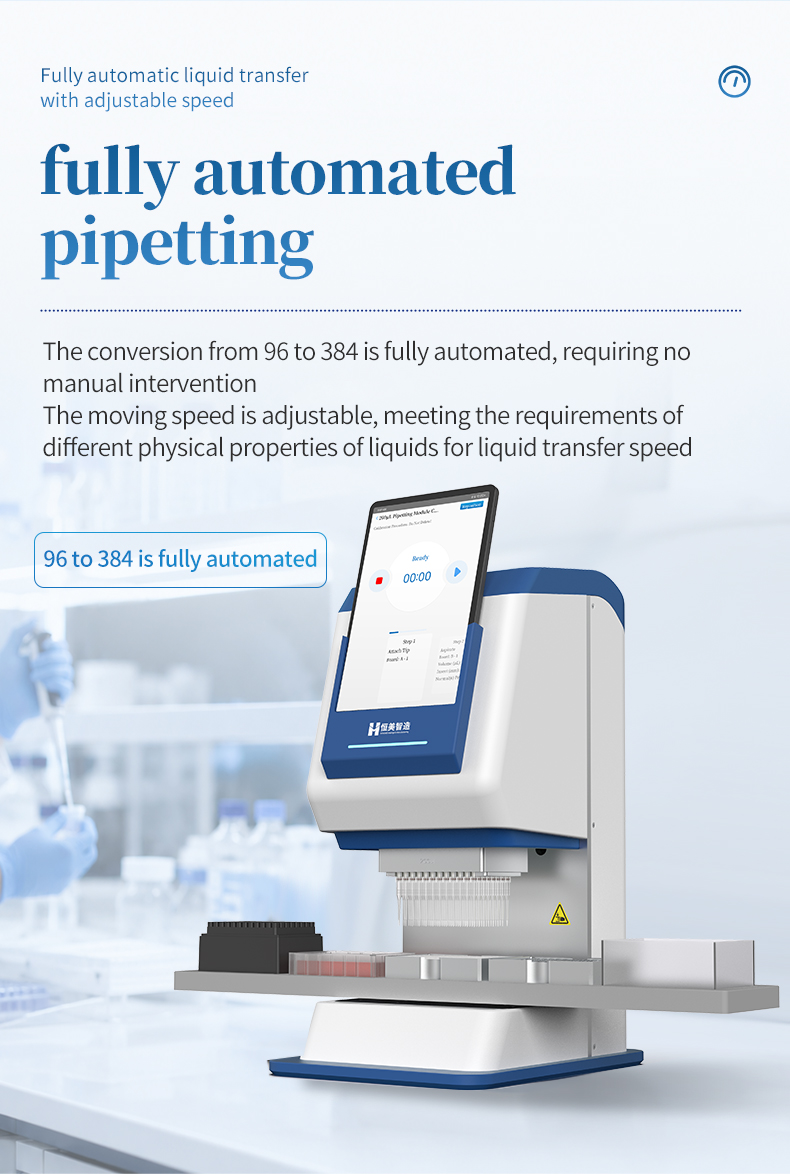
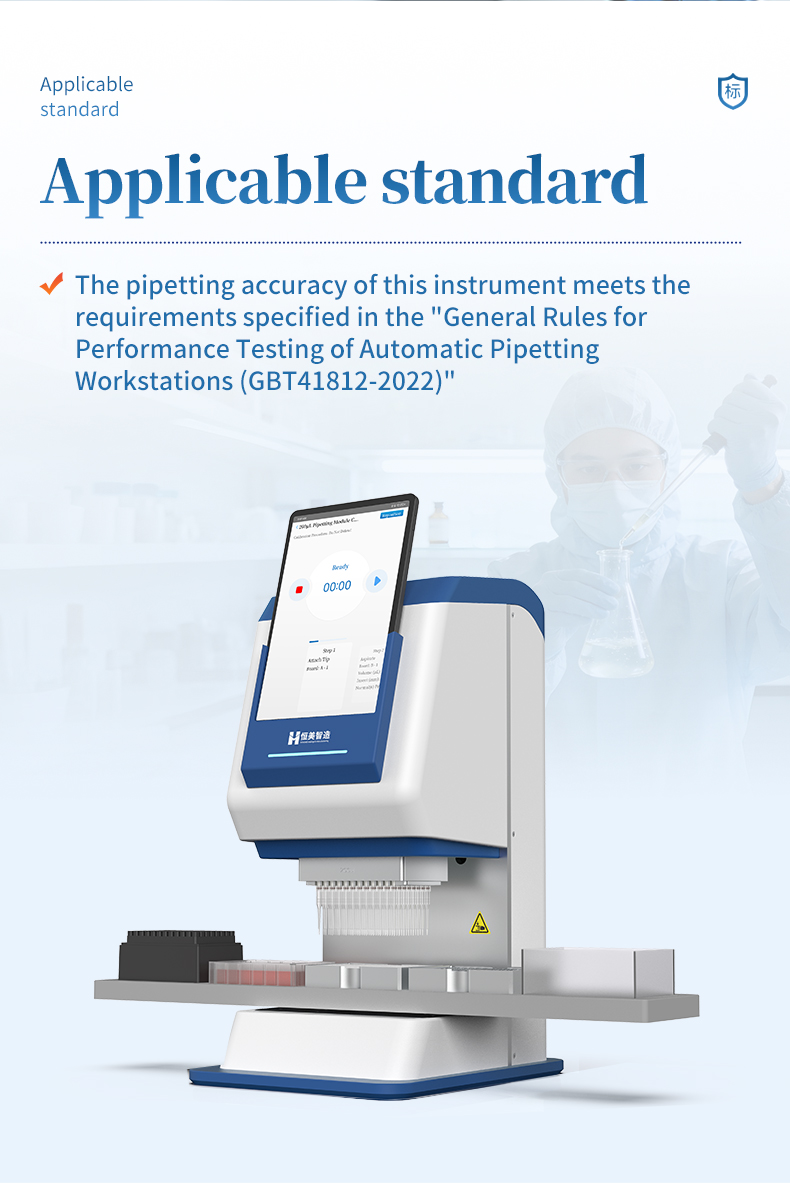
The HM Instruments YA50-3 addresses this problem at its source. By simultaneously dispensing to all 96 wells through a fixed-channel air-displacement head, it eliminates the timing differences and hand-position variability that cause well-to-well inconsistency. At 20 μL, the system delivers accuracy of ≤1.5% and precision of ≤1% CV — a 2–5× improvement over manual processing that directly translates to tighter Ct value distributions and more uniform sequencing coverage.
The 3-deck configuration supports the core molecular diagnostics workflow: load a source plate (template DNA), a tip box, and a reagent reservoir (master mix) — and the system completes a full 96-well PCR setup in under 90 seconds. For laboratories processing 40–60 plates per day manually, this represents a throughput increase to 300+ plates, freeing technicians for higher-value analytical tasks.
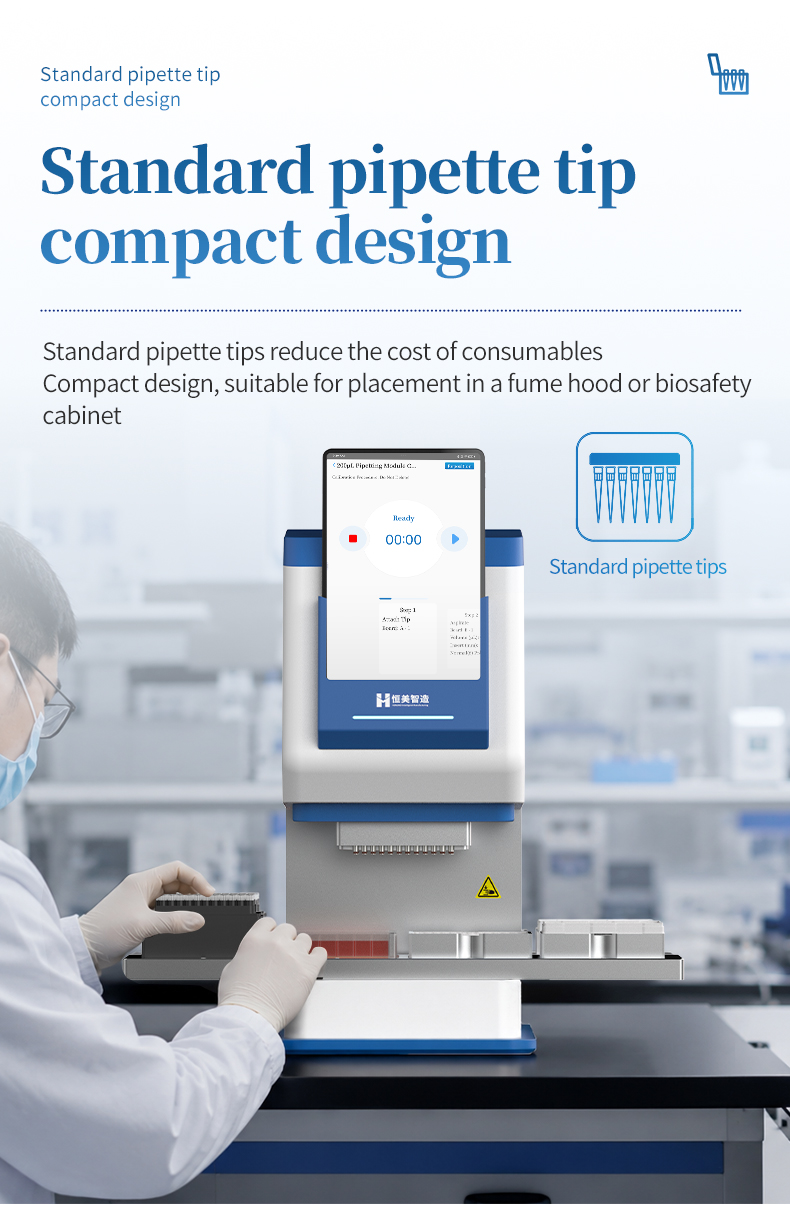
A critical advantage for clinical molecular labs: the YA50-3 fits inside standard Class II biosafety cabinets. This enables automated pipetting of biohazardous patient samples without transferring plates between the bench and a separate robotic enclosure — reducing contamination risk and simplifying workflow compliance with biosafety protocols.
Applications
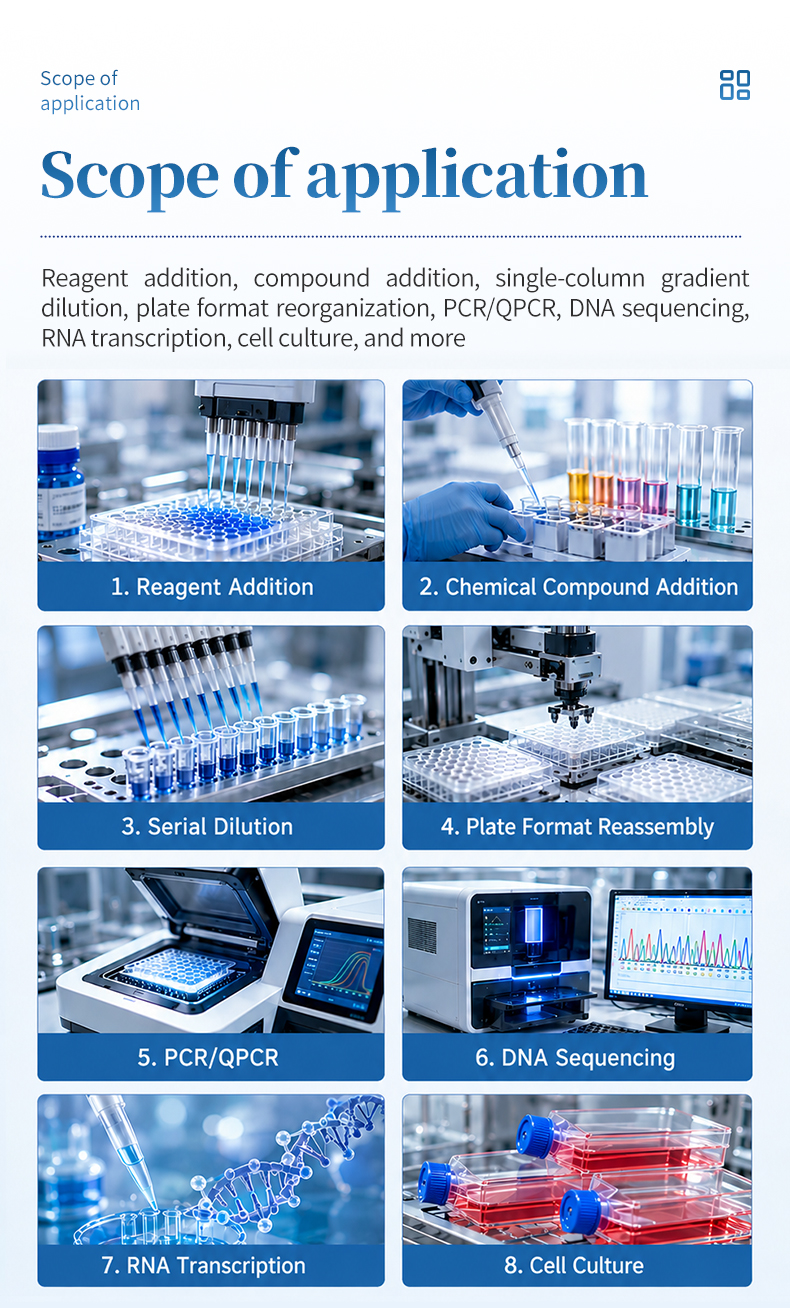
qPCR reaction setup: Simultaneous master mix and template dispensing with consistent timing across all 96 wells, eliminating manual pipetting variation that causes Ct value drift
NGS library preparation: Low-volume enzyme and buffer dispensing for fragmentation, end-repair, and ligation steps with accuracy within 0.3 μL at 20 μL volumes
ELISA reagent addition: Consistent conjugate and substrate dispensing that reduces control well OD variance from typical 5–8% to below 2%
RNA transcription workflows: Sequential reagent addition for in vitro transcription with programmable speed settings for enzyme solutions
Sample normalization: Automated plate-to-plate transfer for concentration equalization across sample sets
Key Features and Advantages
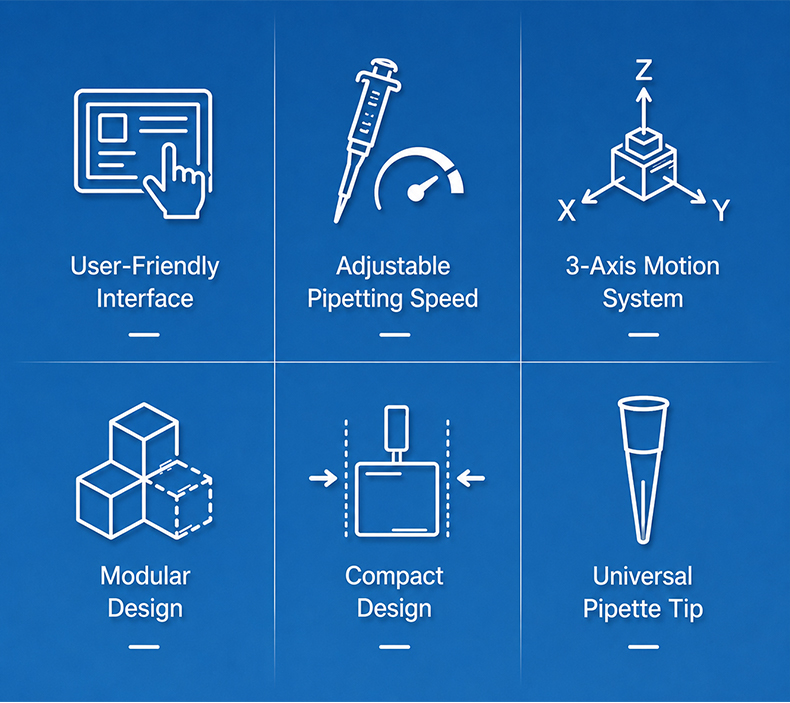
Simultaneous 96-channel dispensing eliminates well-to-well timing variation for consistent reaction initiation
2–50 μL volume range optimized for molecular biology volumes — covers PCR, qPCR, and library prep workflows
Accuracy of ≤1.5% at 20 μL delivers maximum 0.3 μL absolute error per well — within tolerance for standard assay kits
Precision of ≤1% CV at 20 μL provides 2–5× improvement over manual pipetting for tighter quantitative results
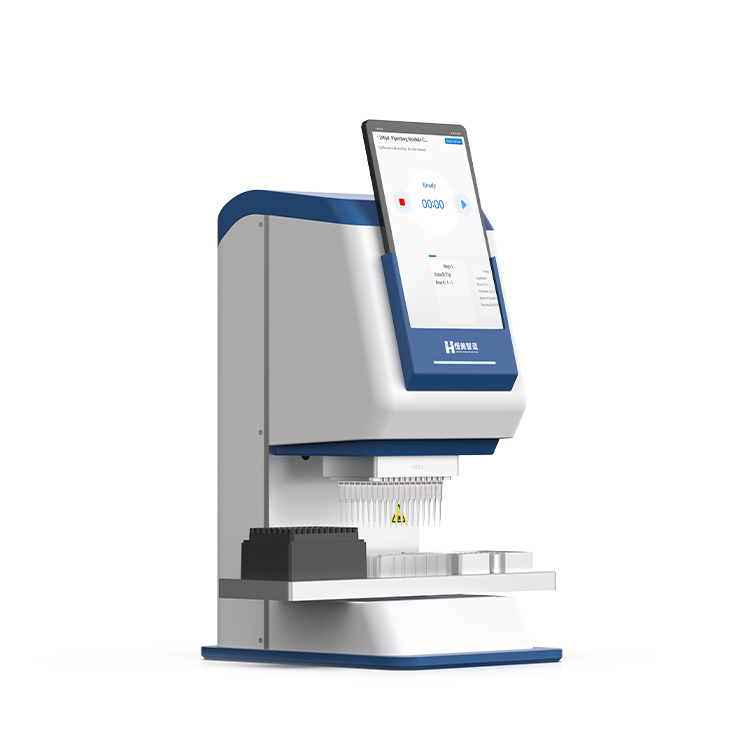
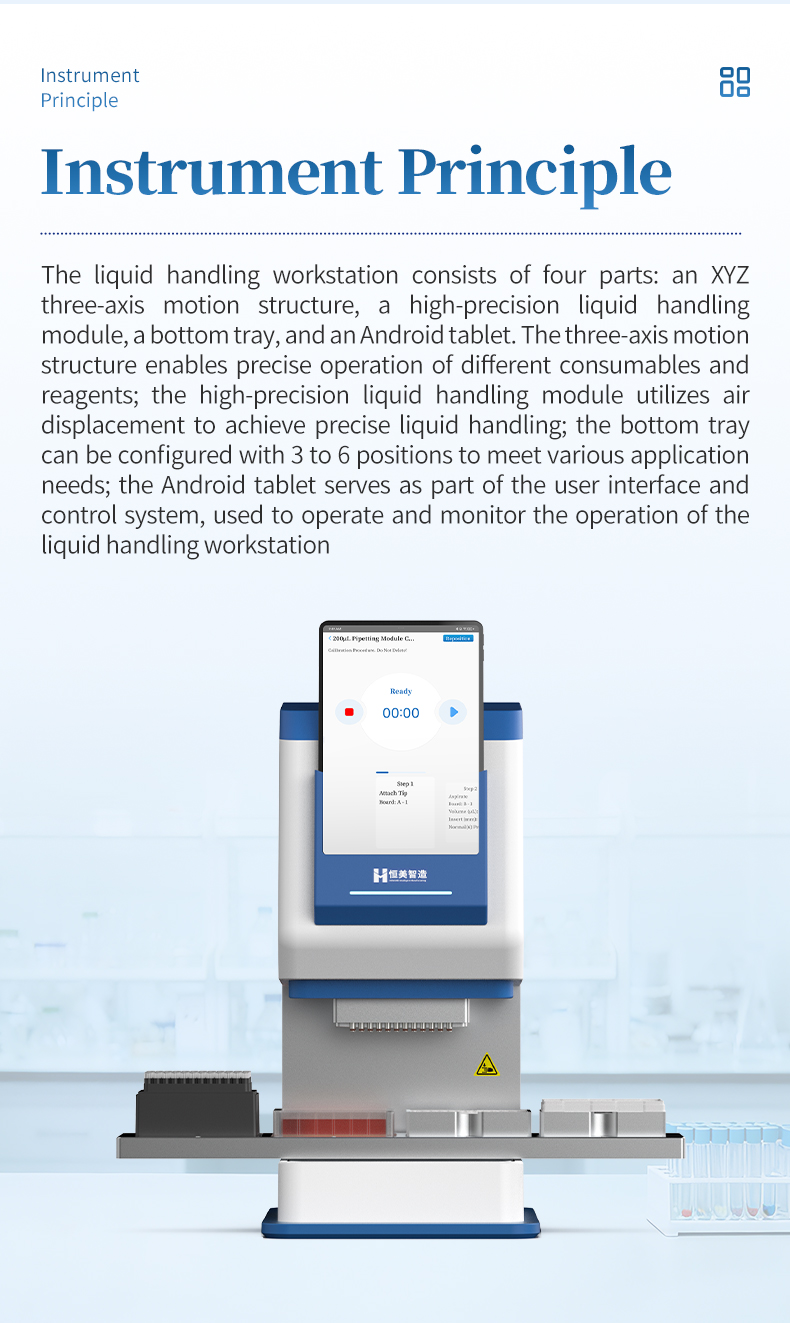
3 SBS deck positions accommodate source plate, tip box, and reagent reservoir for single-plate transfer protocols
580 × 350 × 580 mm compact footprint enables installation inside Class II BSC for biohazardous sample processing
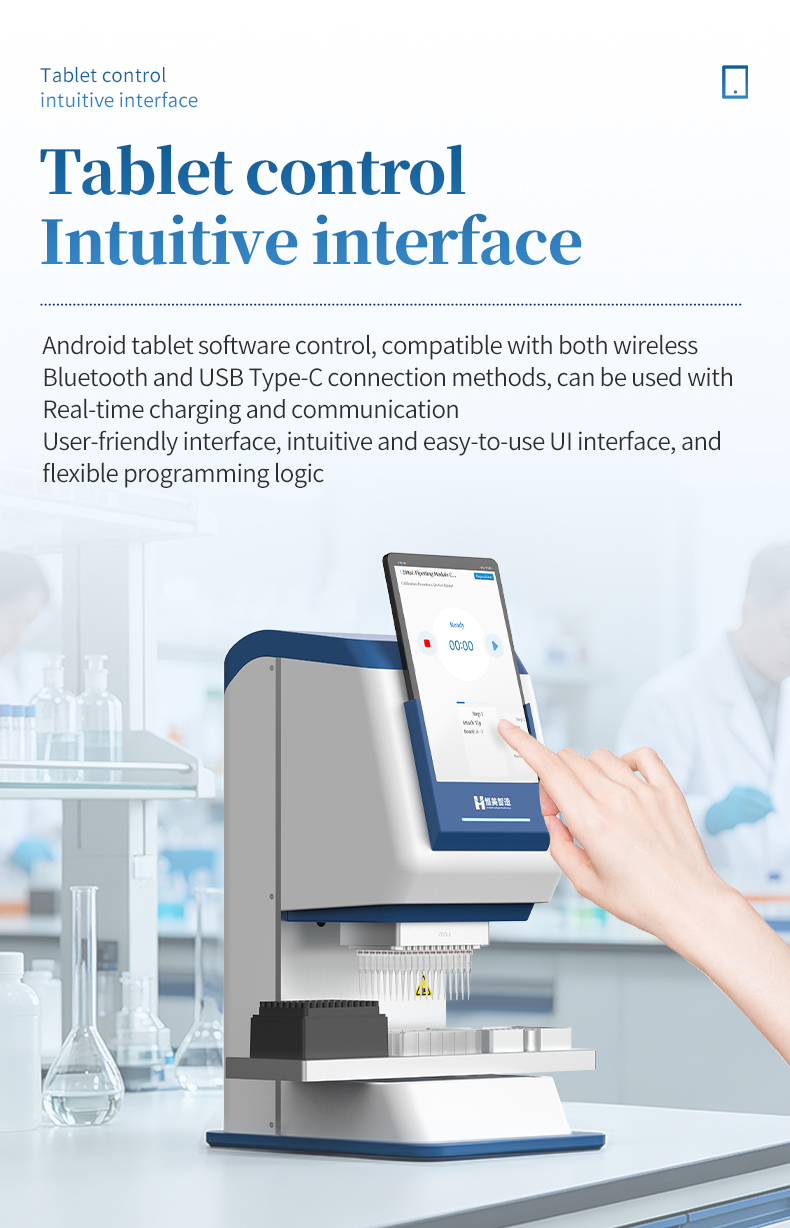
Android tablet control with Bluetooth or USB Type-C (PD) for intuitive protocol creation and real-time monitoring
Universal tip compatibility eliminates proprietary consumable lock-in and reduces per-assay cost by 2–5×
Adjustable aspiration and dispense speeds accommodate viscous reagents (glycerol, DMSO) and volatile solvents
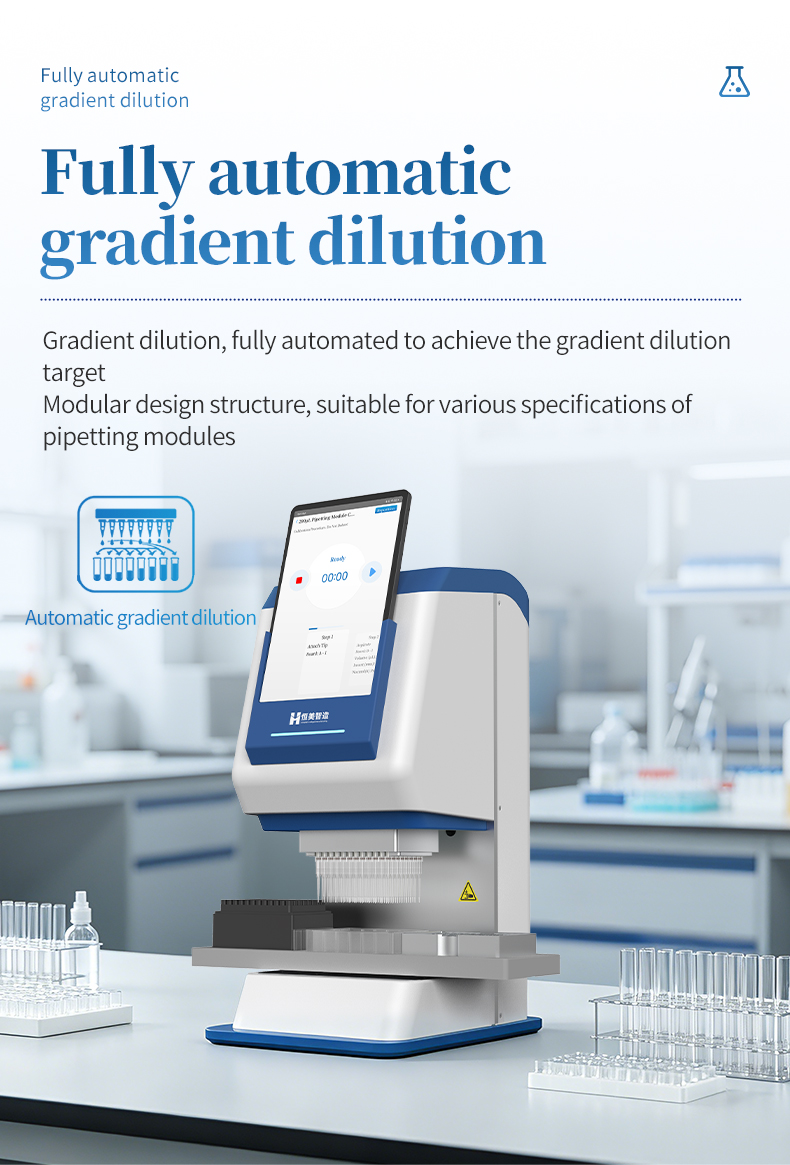
Pre-built protocol templates for PCR setup, ELISA dispensing, and serial dilution accelerate deployment
Technical Specifications
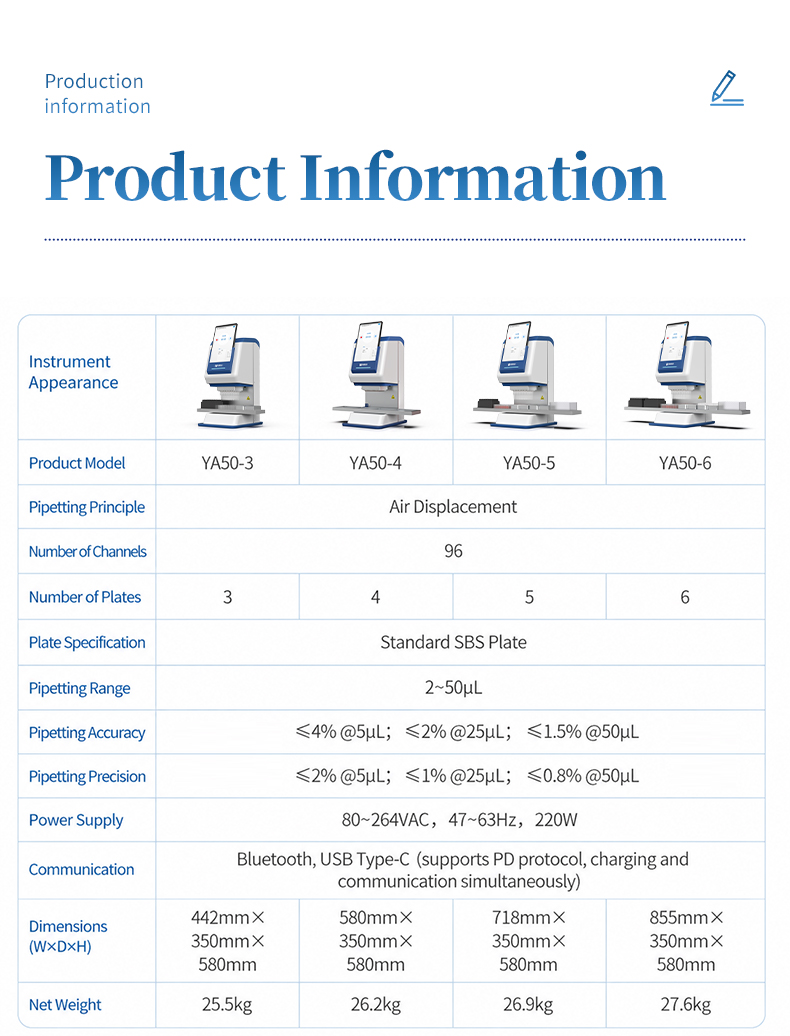
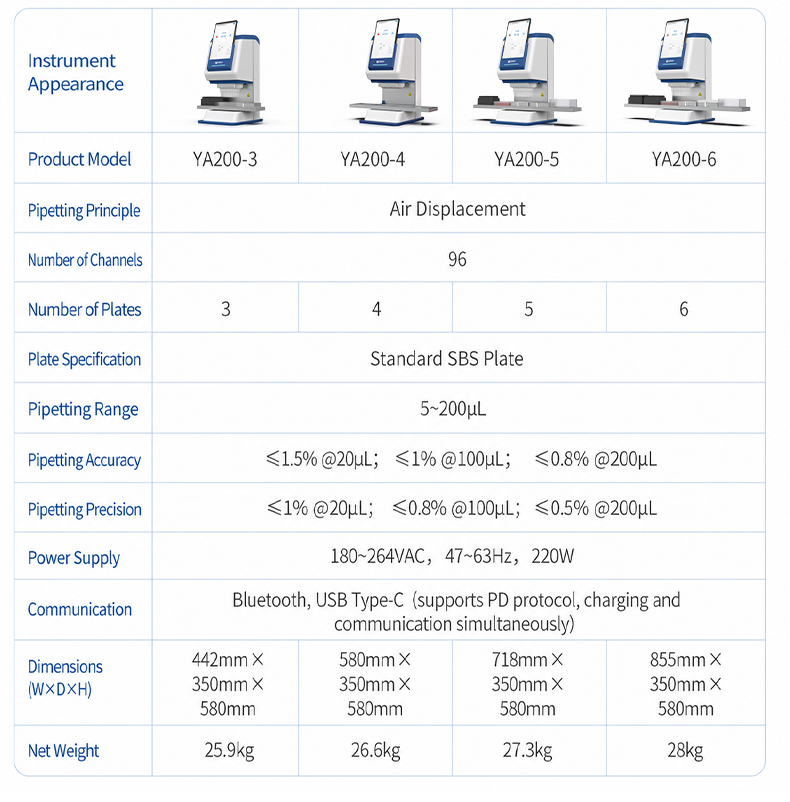
| Parameter | Value |
|---|---|
| Pipetting principle | Air displacement |
| Number of channels | 96 (fixed) |
| Volume range | 2–50 μL |
| Accuracy at 20 μL | ≤1.5% |
| Precision (CV) at 20 μL | ≤1% |
| Deck positions | 3 |
| Plate format | Standard SBS |
| Control interface | Android tablet |
| Connectivity | Bluetooth, USB Type-C (PD) |
| Power supply | 180–264 VAC, 47–63 Hz, 220W |
| Dimensions | 580 × 350 × 580 mm |
| Weight | 26.6 kg |
| Compliance standard | GBT 41812-2022 |
FAQ
How does the YA50-3 improve qPCR result consistency compared to manual pipetting?
Manual pipetting across 96 wells introduces well-to-well timing differences (the first well receives reagent up to 8 minutes before the last) and volume variation (CV of 2–5%). The YA50-3's 96-channel head simultaneously dispenses to all wells with consistent timing and ≤1% CV, producing tighter Ct value distributions and more reliable quantitative results.
Can the YA50-3 handle DMSO-containing compound stocks?
Yes. The adjustable speed feature allows slower aspiration for viscous DMSO solutions to prevent incomplete filling, and faster dispense with blow-out for complete delivery. Speed settings are saved per protocol step for reproducibility.
What is the minimum volume the YA50-3 can reliably dispense?
The specified volume range starts at 2 μL. At this volume, accuracy and precision specifications may be wider than at 20 μL. For applications requiring reliable sub-5 μL dispensing, verify performance with your specific liquid type using a gravimetric test before committing to production protocols.
How does BSC compatibility benefit clinical molecular labs?
Processing biohazardous patient samples (such as nucleic acid extracts from infectious disease specimens) requires BSC containment. The YA50-3's compact size allows the entire automated pipetting process to occur within the BSC, eliminating the need to transfer plates between the cabinet and an external instrument — reducing contamination risk and simplifying workflow compliance.
What is the recommended calibration frequency?
Calibration verification is recommended every 3 months under normal usage. Full calibration should be performed annually. The Android tablet includes a calibration verification utility that guides users through the gravimetric test procedure.
Address of this article:https://www.labinstruments.net/automated-pipetting-workstation/molecular-diagnostics-96-channel-pipetting-station.html
- Previous: no more
- Next: 96-Channel Automated Pipetting Workstation for Genomics and Sequencing