

 Current
location:
Current
location: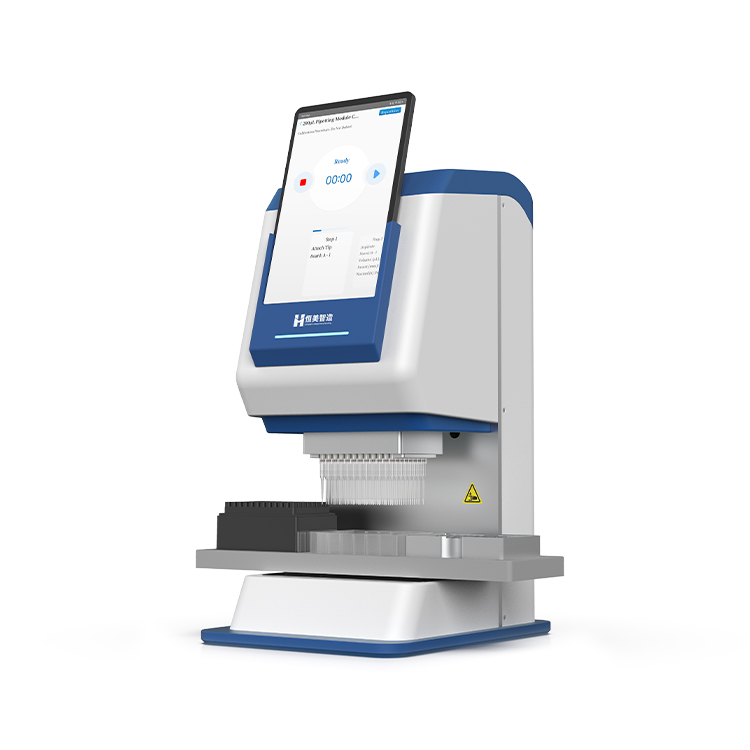
 +86 17853698681
Product Introduction
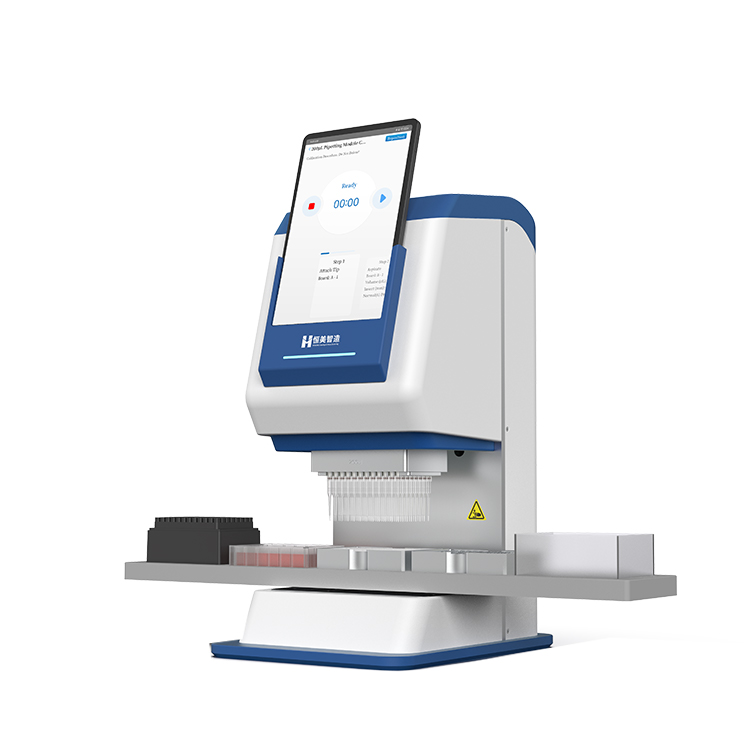
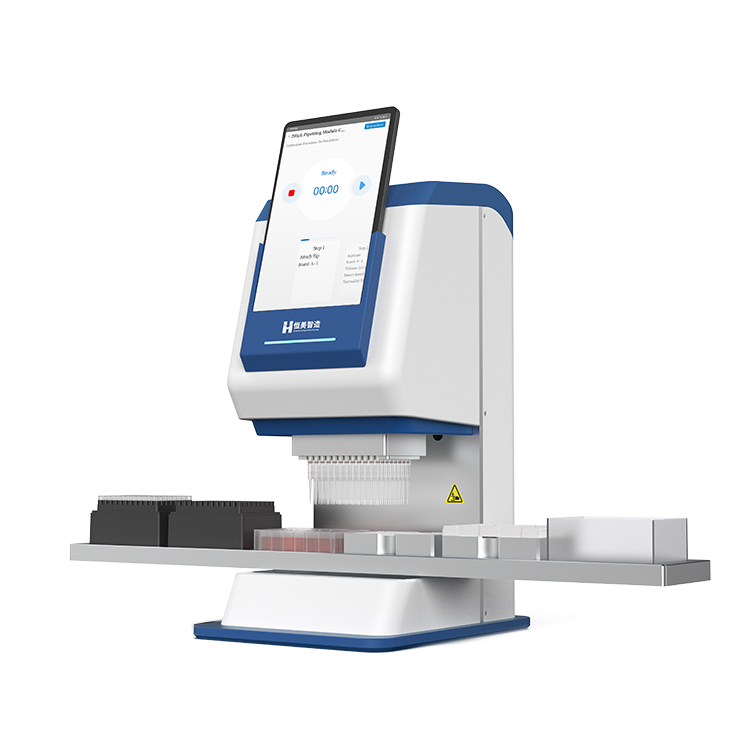
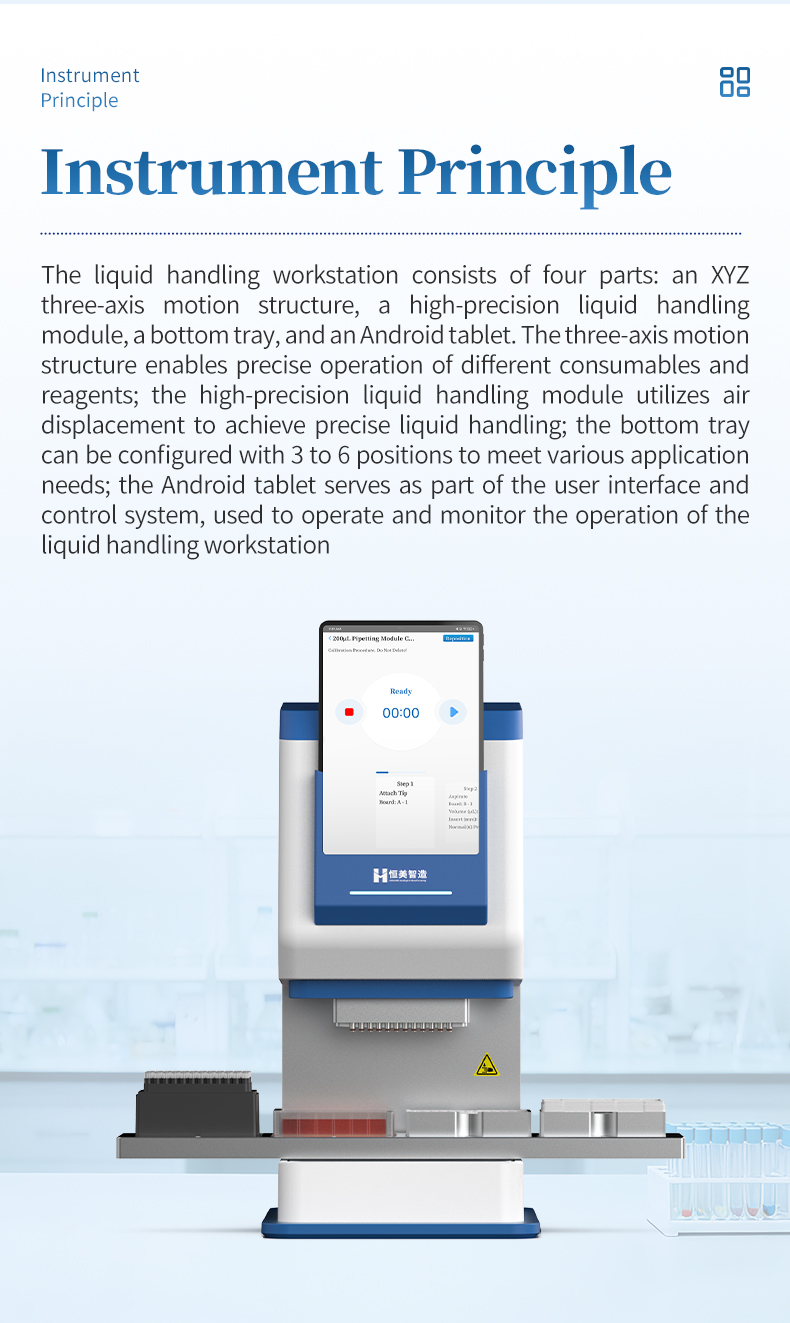
When laboratory protocols exceed the capacity of 3- or 4-deck configurations, operators must pause runs for manual deck reconfiguration — introducing timing inconsistency, contamination risk, and throughput loss. The YA50-6 eliminates this constraint with 6 SBS deck positions that accommodate the full range of plates, reservoirs, and tip boxes needed for the most complex 96-well processing workflows.
For multi-source NGS library consolidation, the 6-deck layout loads 3 source plates, a reagent reservoir, a destination plate, and a tip box simultaneously — enabling continuous transfer from all sources without pausing. For complex diagnostic PCR, positive controls, negative controls, and patient sample reservoirs are all pre-loaded, and the protocol automatically selects the correct source for each well type.
The 2–50 μL volume range with ≤1.5% accuracy at 20 μL handles the precision requirements of complex enzymatic workflows. The BSC-compatible 580 × 350 × 580 mm footprint remains a unique advantage for biohazardous sample processing, and the Android tablet logs all parameters for quality documentation.
Applications
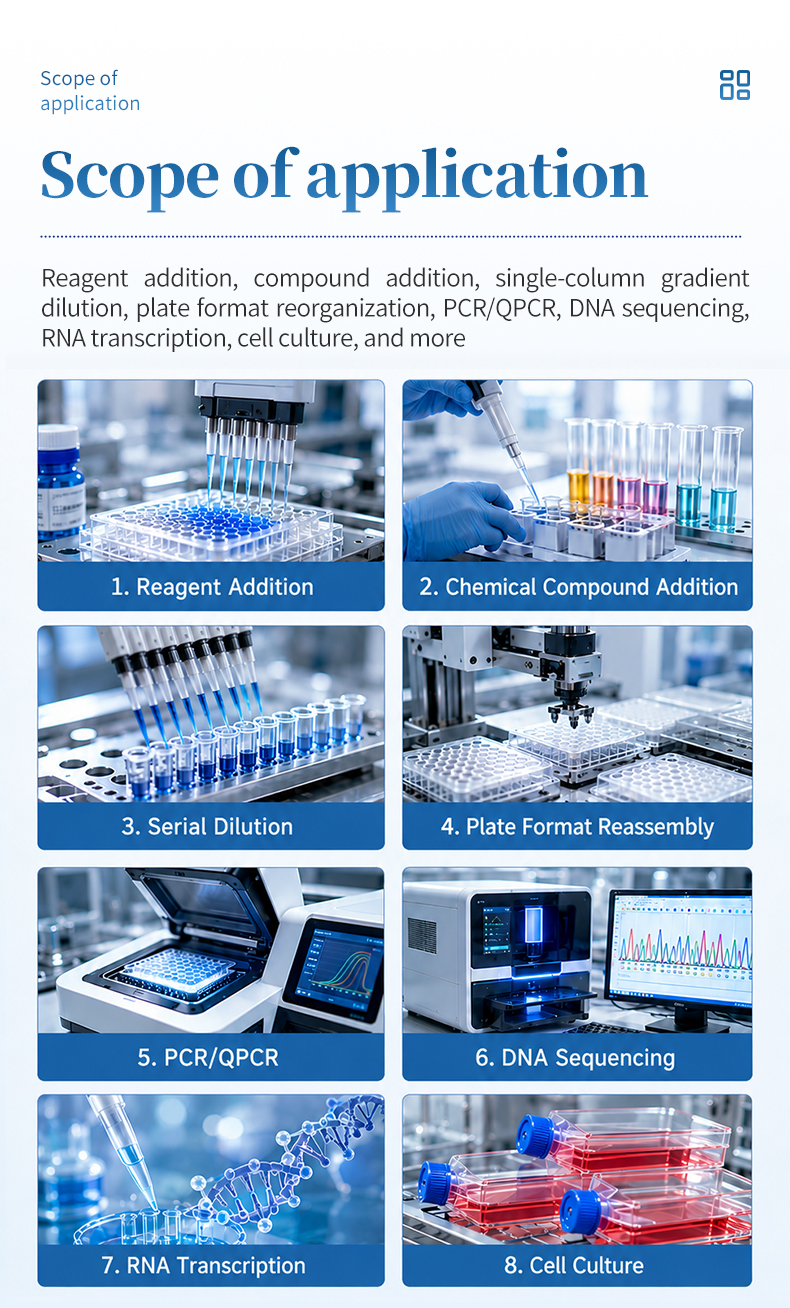
Multi-source library consolidation: Continuous transfer from 3+ source plates to a single destination for NGS library pooling
Complex diagnostic PCR: Separate positive control, negative control, and patient sample reservoirs pre-loaded for uninterrupted diagnostic runs
Multi-reagent enzymatic workflows: 4+ sequential enzyme additions with separate tip racks per reagent to prevent cross-contamination
Assay miniaturization: 96-to-384 format transfer with intermediate processing steps loaded on additional deck positions
Batch sample normalization: High-throughput concentration equalization across multiple 96-well source plates
Key Features and Advantages
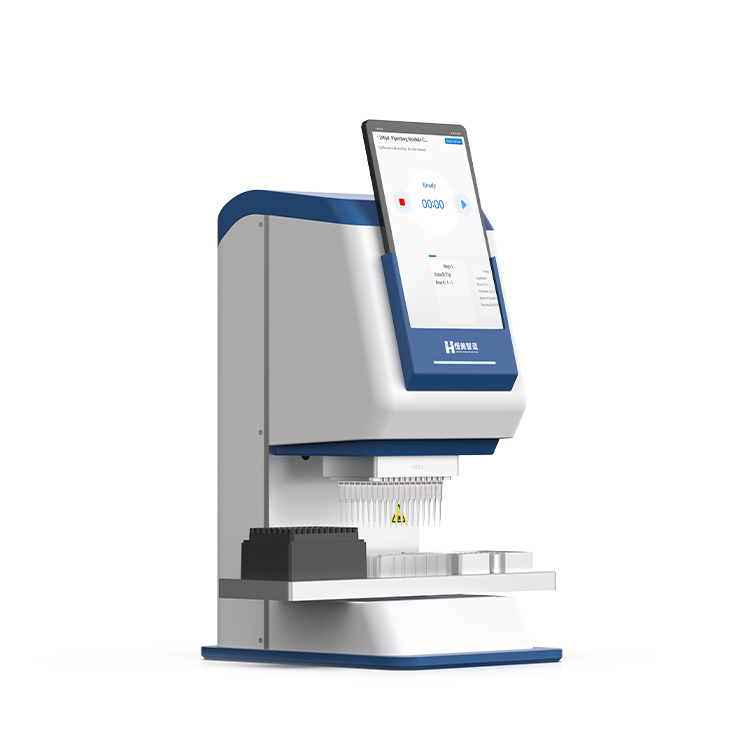
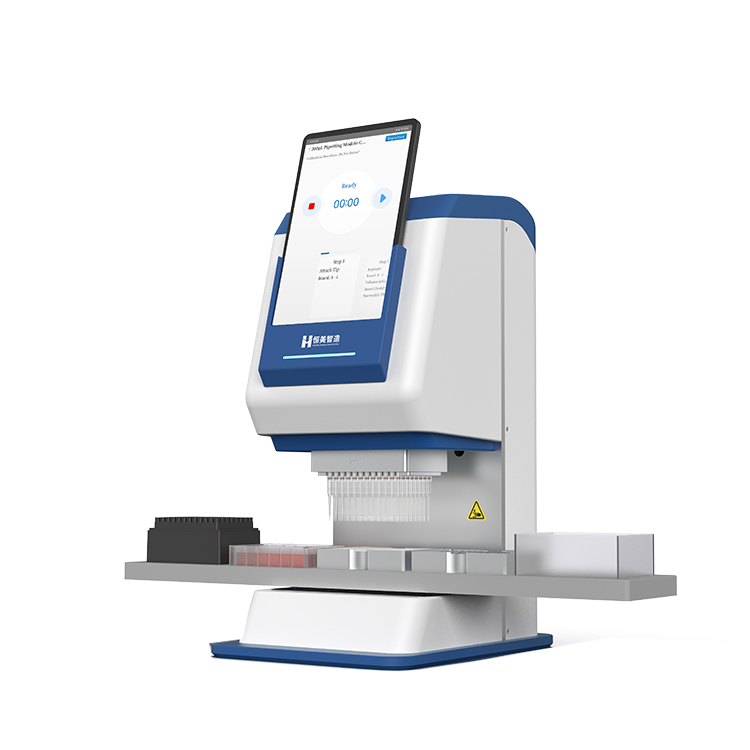
6 SBS deck positions — maximum capacity for the most complex 96-well protocols
Continuous unattended operation with all consumables pre-loaded
Multi-source plate consolidation without deck reconfiguration pauses
4+ sequential reagent additions with independent tip racks for zero cross-contamination
≤1.5% accuracy at 20 μL with ≤1% CV for precise enzymatic dispensing
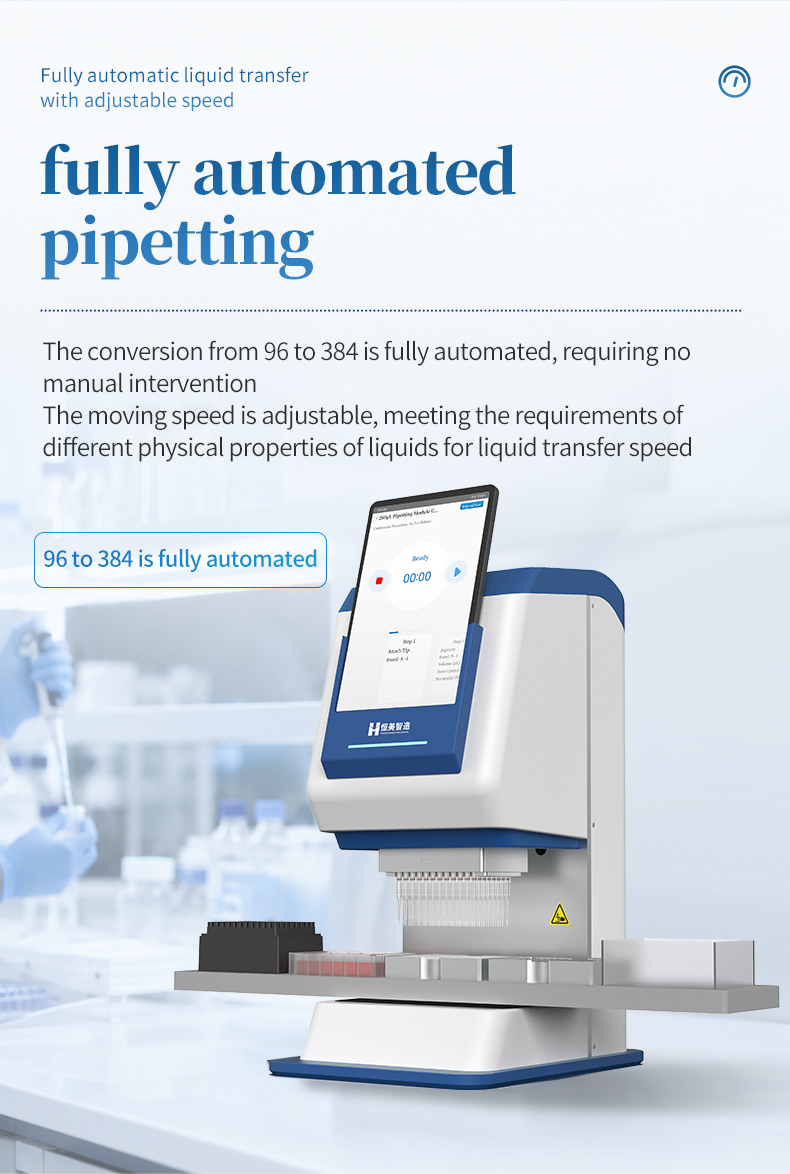
Automated 96-to-384 format transfer for assay miniaturization
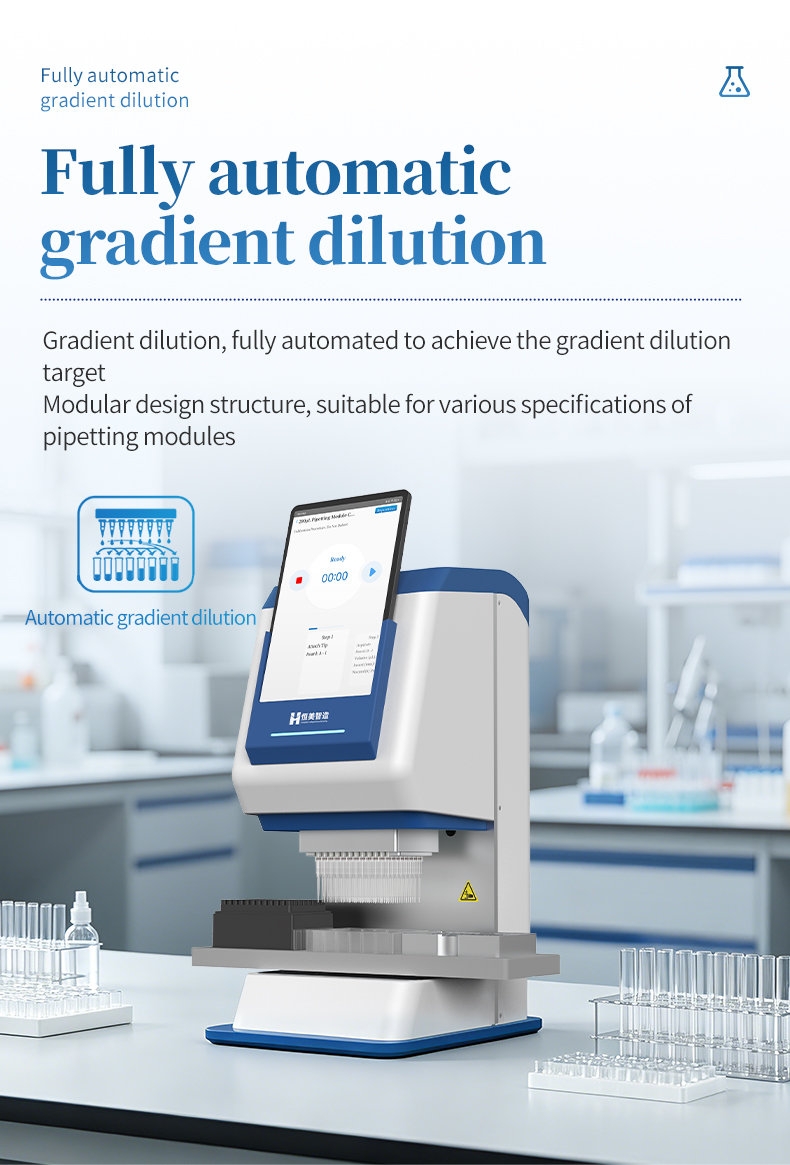
Built-in gradient dilution for concentration series and standard curves
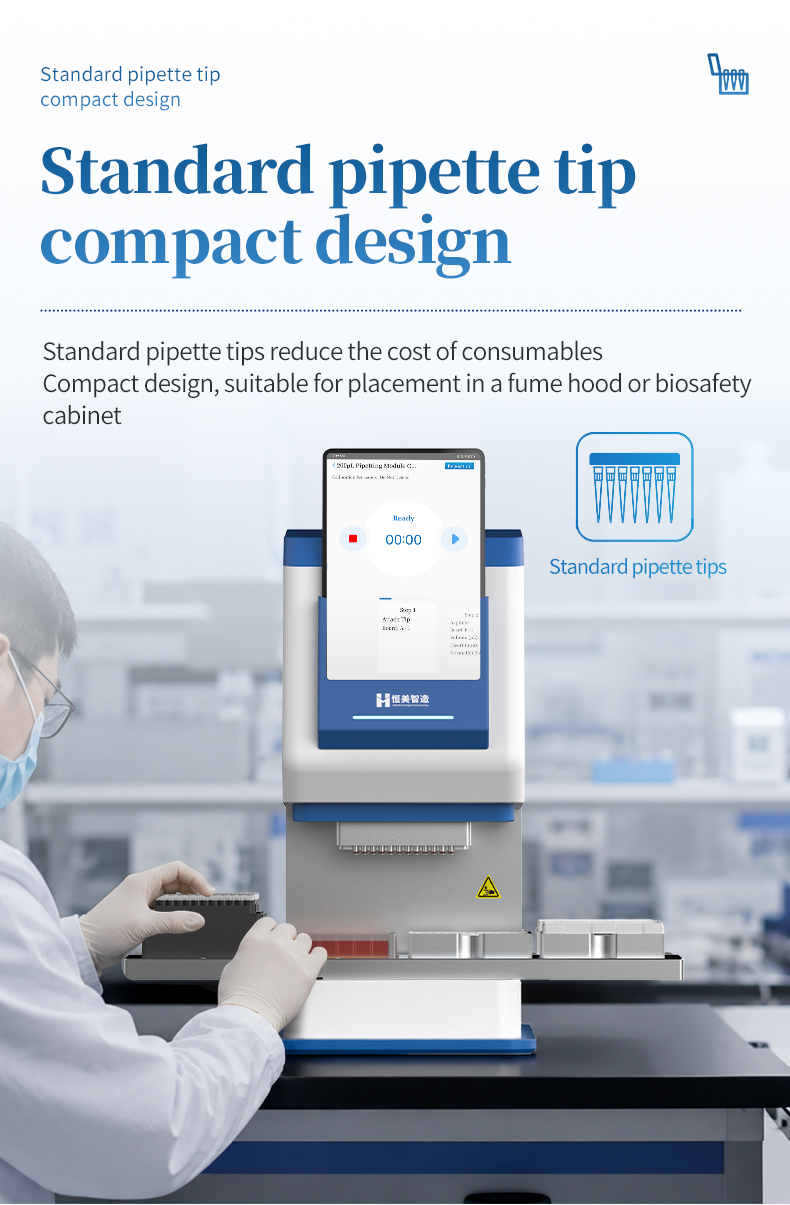
BSC-compatible footprint for biohazardous nucleic acid processing
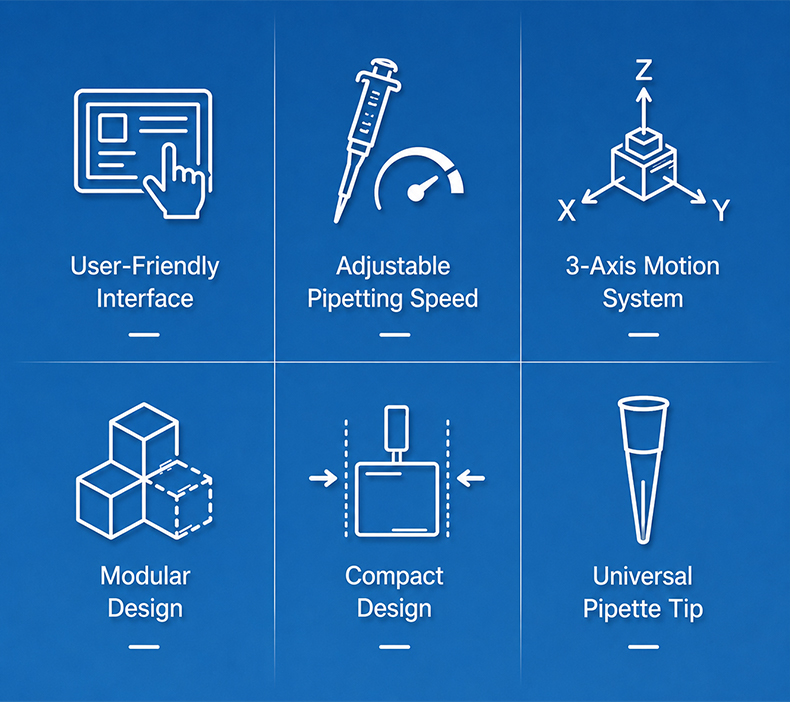
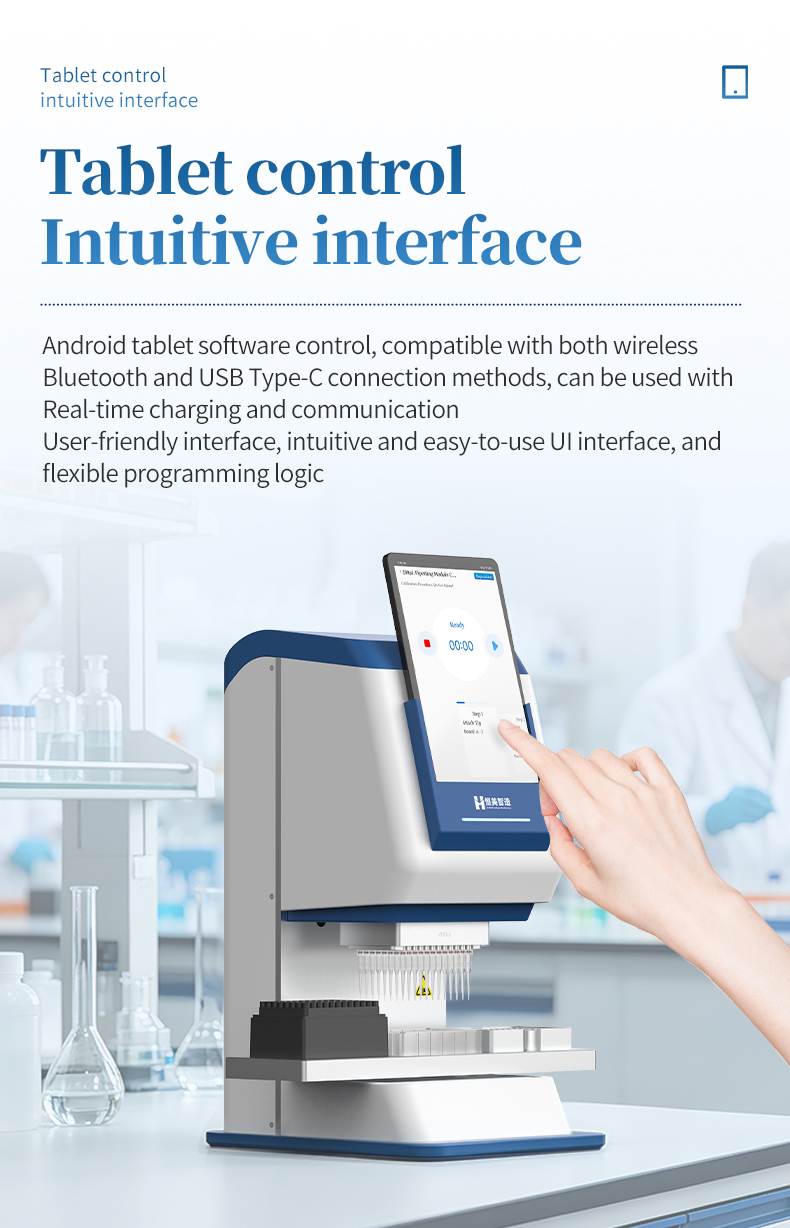
Android tablet with protocol logging for quality documentation and multi-site standardization
Universal tip compatibility eliminates proprietary consumable lock-in
Technical Specifications
| Parameter | Value |
|---|---|
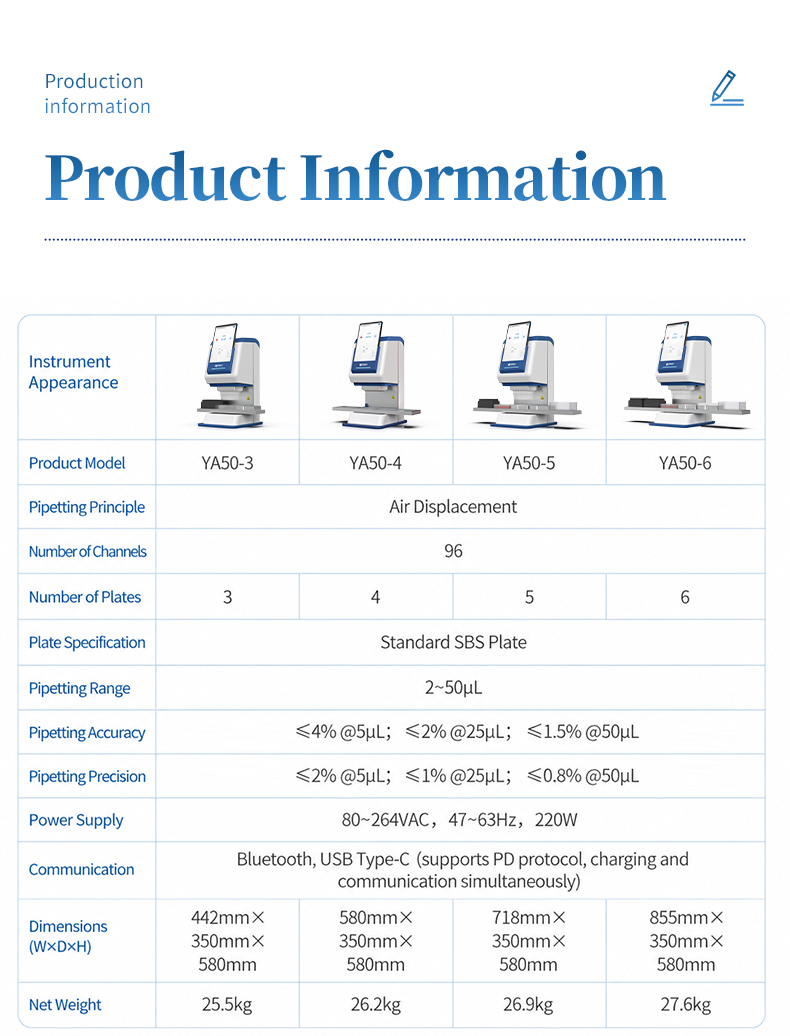
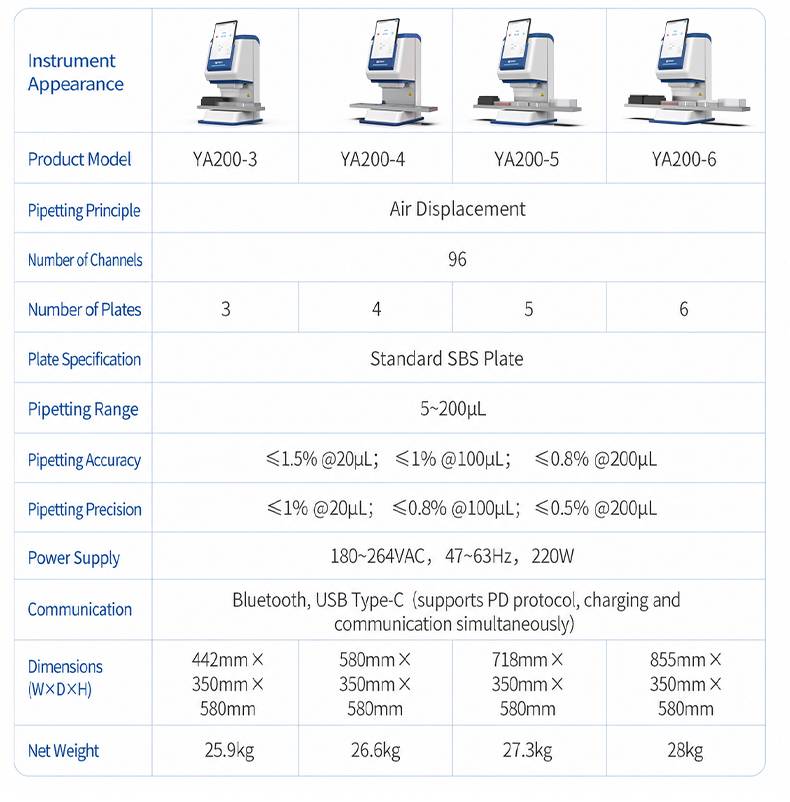
| Pipetting principle | Air displacement |
| Number of channels | 96 (fixed) |
| Volume range | 2–50 μL |
| Accuracy at 20 μL | ≤1.5% |
| Precision (CV) at 20 μL | ≤1% |
| Deck positions | 6 |
| Plate format | Standard SBS |
| Control interface | Android tablet |
| Connectivity | Bluetooth, USB Type-C (PD) |
| Power supply | 180–264 VAC, 47–63 Hz, 220W |
| Dimensions | 580 × 350 × 580 mm |
| Weight | 26.6 kg |
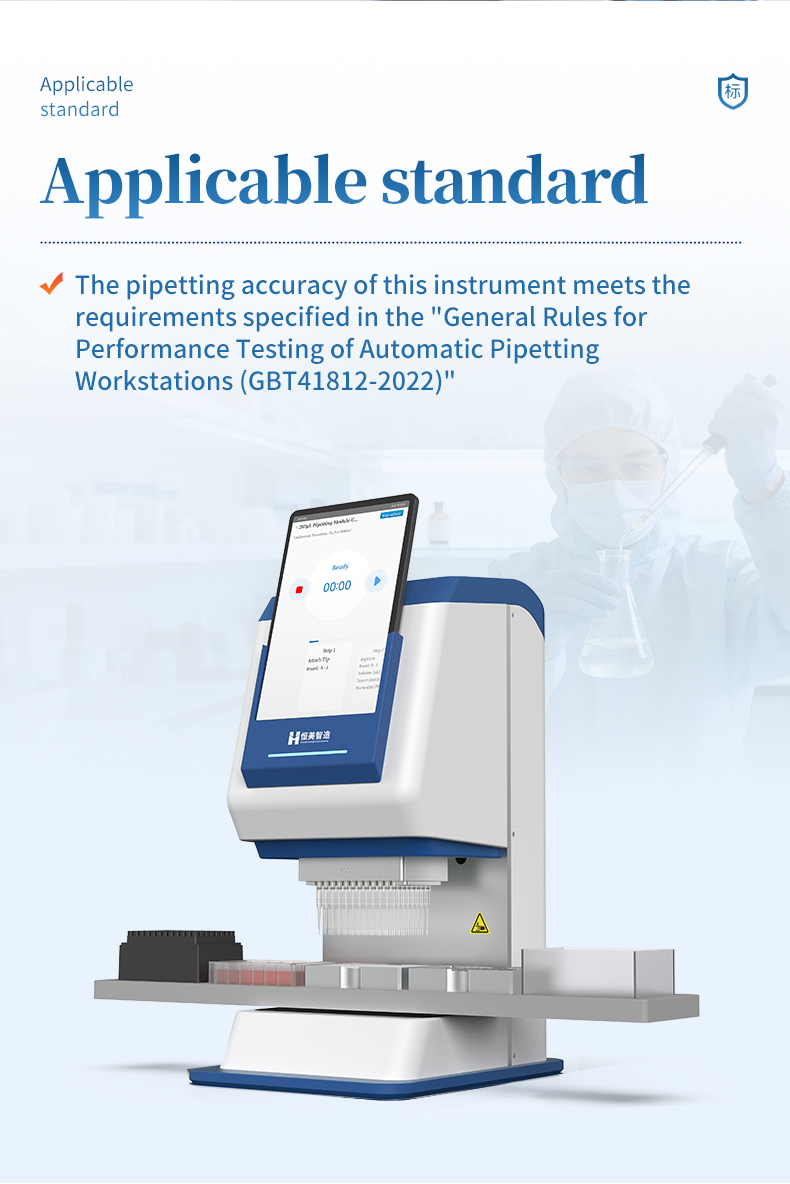
| Compliance standard | GBT 41812-2022 |
FAQ
When do I need 6 deck positions instead of 5?
Choose 6 decks when your protocol requires: (1) 3+ source plates for consolidation, (2) separate tip racks for more than 2 reagent types, or (3) an intermediate processing plate between source and destination. If your workflow fits within 5 positions, the YA50-5 offers equivalent performance at lower cost.
Can the YA50-6 run simpler protocols designed for fewer deck positions?
Yes. The YA50-6 is fully backward-compatible with protocols designed for the YA50-3, YA50-4, and YA50-5. Unused deck positions are simply left empty. This makes the YA50-6 a flexible choice for laboratories that run both simple and complex protocols on the same instrument.
How does multi-source consolidation work with 6 decks?
Load up to 3 source plates on separate deck positions. The protocol sequentially aspirates from each source plate and dispenses to the destination plate, with automatic tip changes between sources. The entire consolidation runs continuously without operator intervention.
Is the YA50-6 suitable for GLP/GMP environments?
The Android tablet logs all protocol parameters with timestamps, providing the audit trail documentation required by quality management systems. For GLP/GMP-regulated applications, additional validation of the pipetting performance may be required per your SOPs.
What is the advantage of separate tip racks per reagent type?
Using independent tip racks for each reagent type eliminates carryover between reagent additions — critical for enzymatic workflows where residual enzyme from one step could catalyze premature reactions in the next step. With 6 deck positions, up to 3 separate tip racks can be loaded alongside plates and reservoirs.
Address of this article:https://www.labinstruments.net/automated-pipetting-workstation/high-complexity-96-channel-pipetting-station.html