


 Current
location:
Current
location: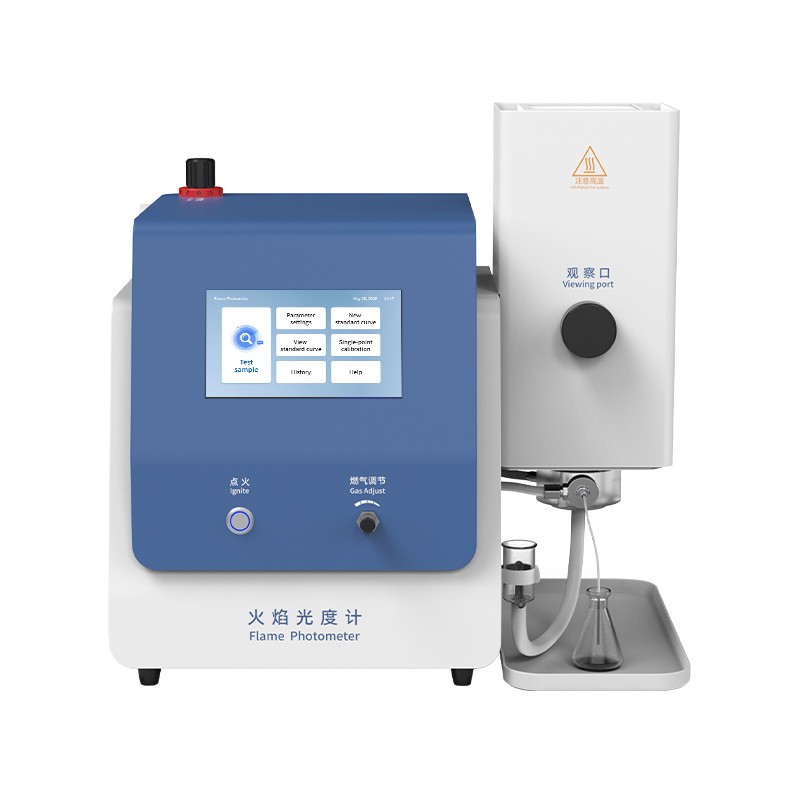
 +86 17853698681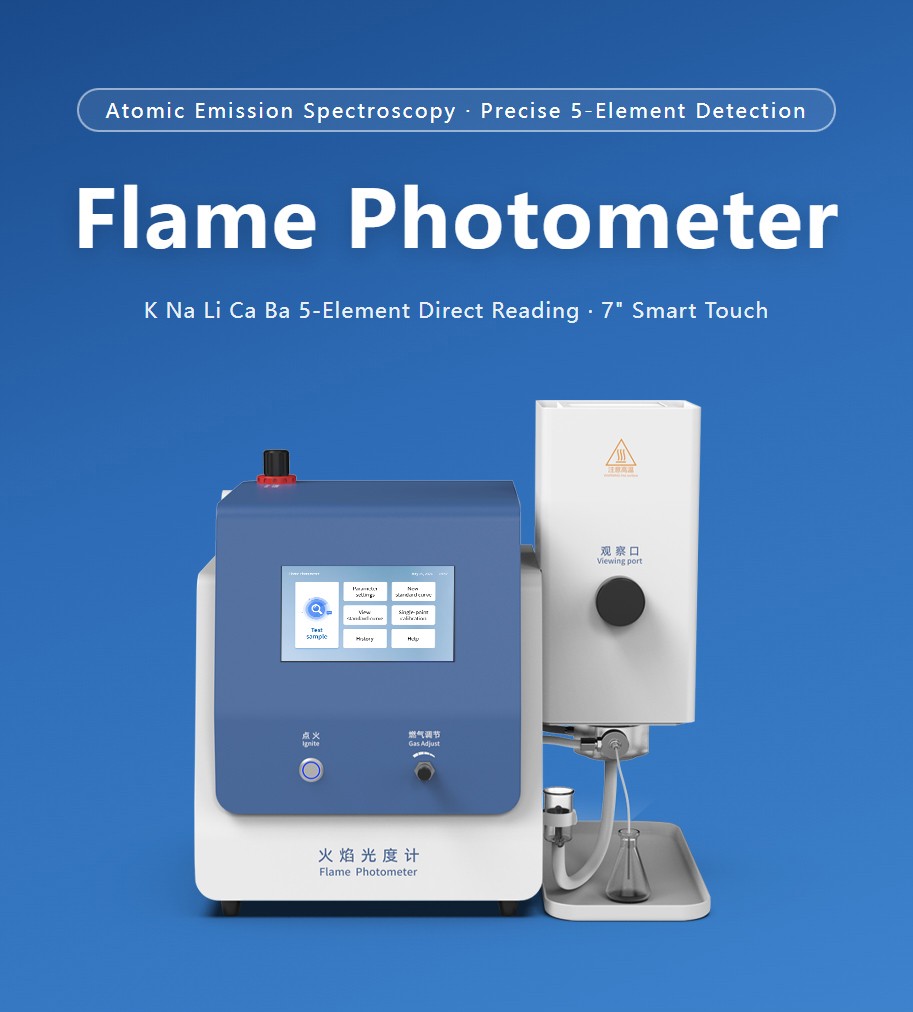

Product Introduction
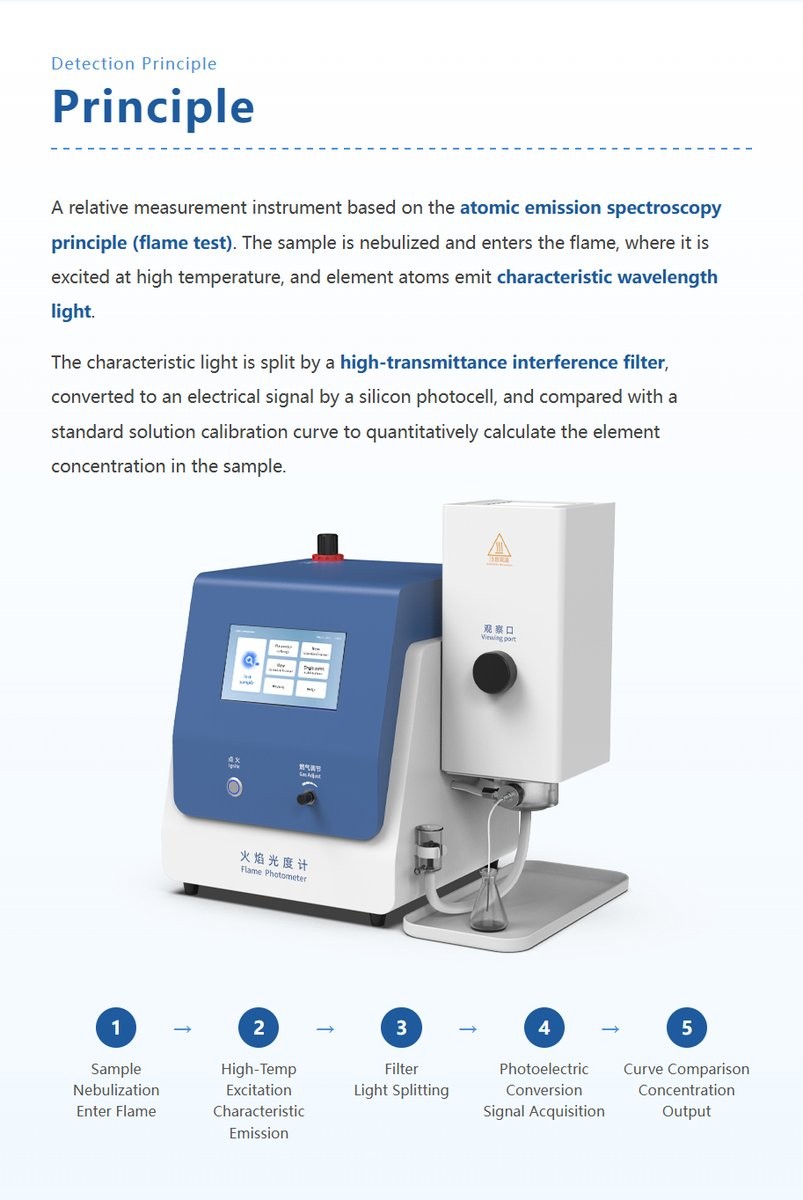
Soil potassium and sodium levels are among the most frequently requested parameters in agricultural and environmental laboratories worldwide. Traditional wet chemistry methods — such as flame emission spectroscopy using outdated gas-dependent setups — are labor-intensive, require skilled operators, and introduce significant variability through manual endpoint judgment. As soil testing volumes continue to rise with the global push toward precision agriculture and sustainable land management, laboratories face mounting pressure to deliver faster turnaround times without sacrificing analytical accuracy.
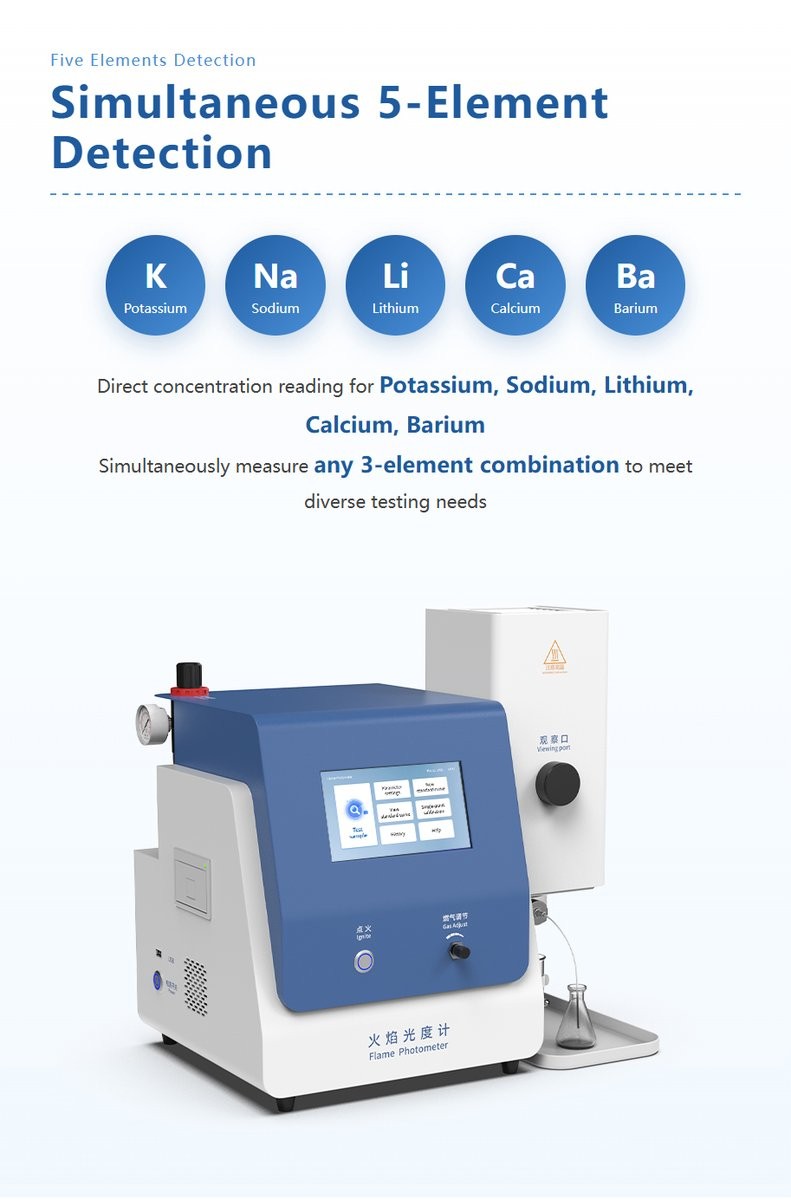
The HM-FP2 flame photometer addresses these industry pain points head-on. Designed specifically for high-throughput soil testing workflows, the HM-FP2 delivers direct concentration readout for potassium and sodium in a single sample aspiration, eliminating the sequential measurement bottleneck that plagues older single-channel instruments. Its 2-channel simultaneous detection architecture means that a laboratory processing 200 soil samples per day can effectively halve the instrument time required for alkali metal analysis.
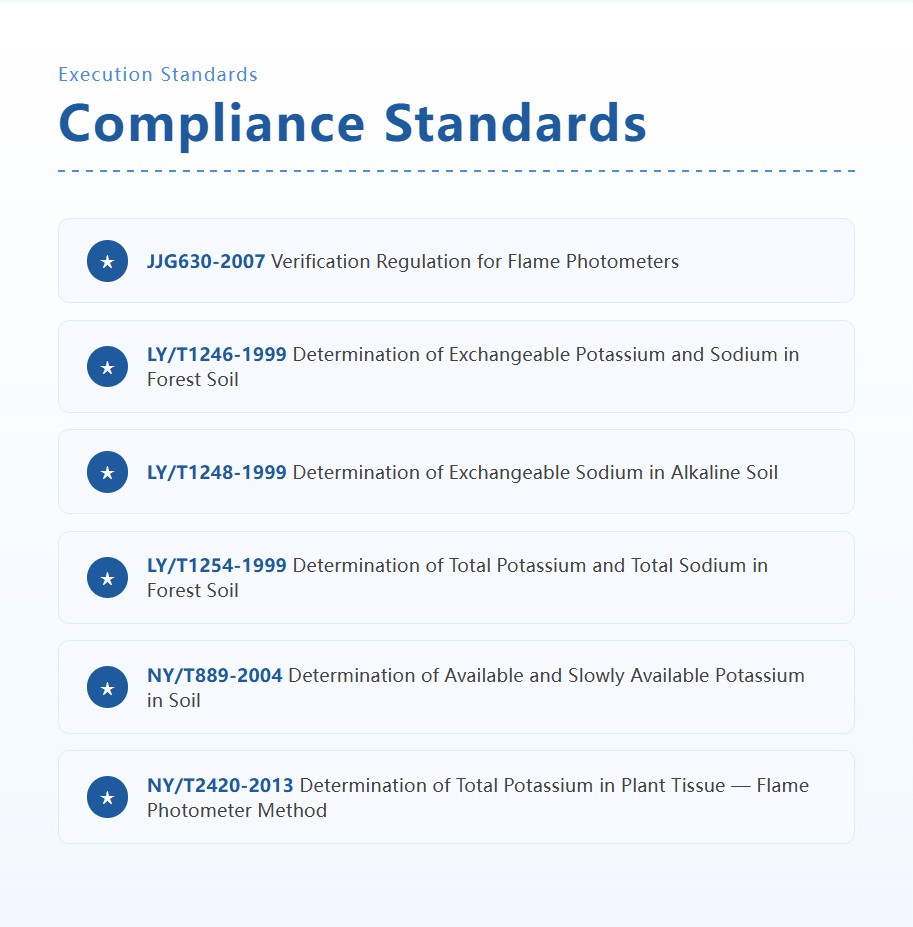
Compliance with established analytical standards is non-negotiable in accredited laboratories. The HM-FP2 is engineered to meet the requirements of JJG630-2007 (Verification Regulation for Flame Photometers), NY/T889-2004 (Determination of Available and Slowly Available Potassium in Soil), and LY/T1246-1999 (Determination of Exchangeable Potassium and Sodium in Forest Soil), giving laboratory managers confidence that their results will withstand regulatory scrutiny. The instrument's built-in thermal printer produces immediate hard-copy records, while USB data export enables seamless integration with laboratory information management systems (LIMS).
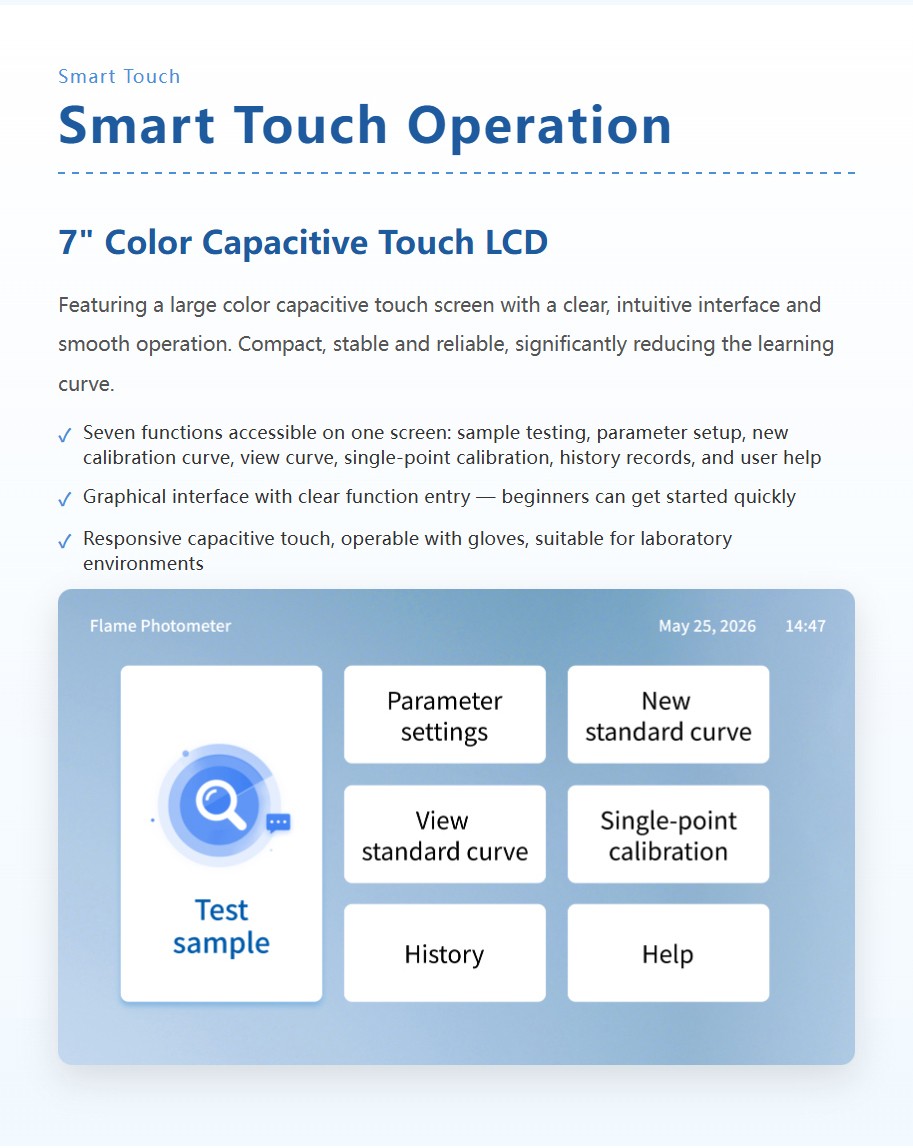
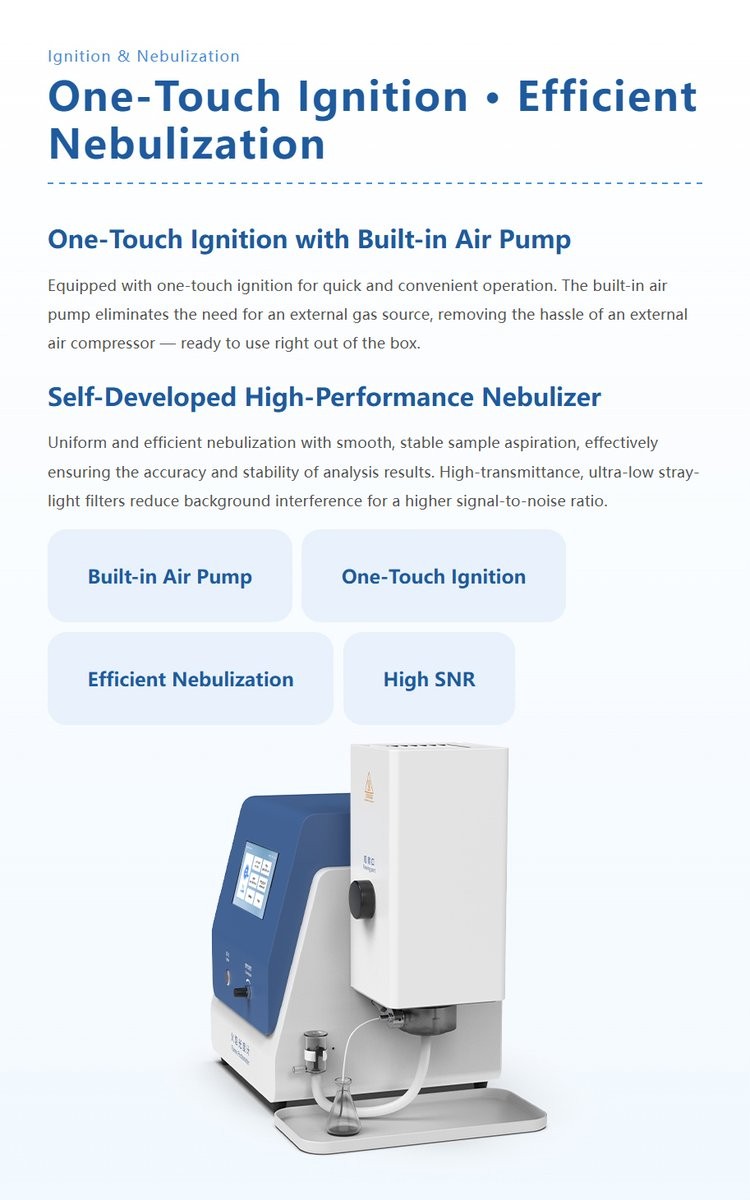
For laboratories transitioning from manual titration or aging flame photometers, the HM-FP2 offers a cost-effective upgrade path. Its one-touch ignition, built-in air pump, and self-contained nebulizer eliminate the need for external compressed air and gas infrastructure — a significant advantage for field laboratories and mobile testing units where infrastructure is limited. The 7-inch capacitive touch LCD simplifies operation for technicians of all experience levels, reducing training time and minimizing operator-induced errors during routine soil analysis campaigns.
Applications
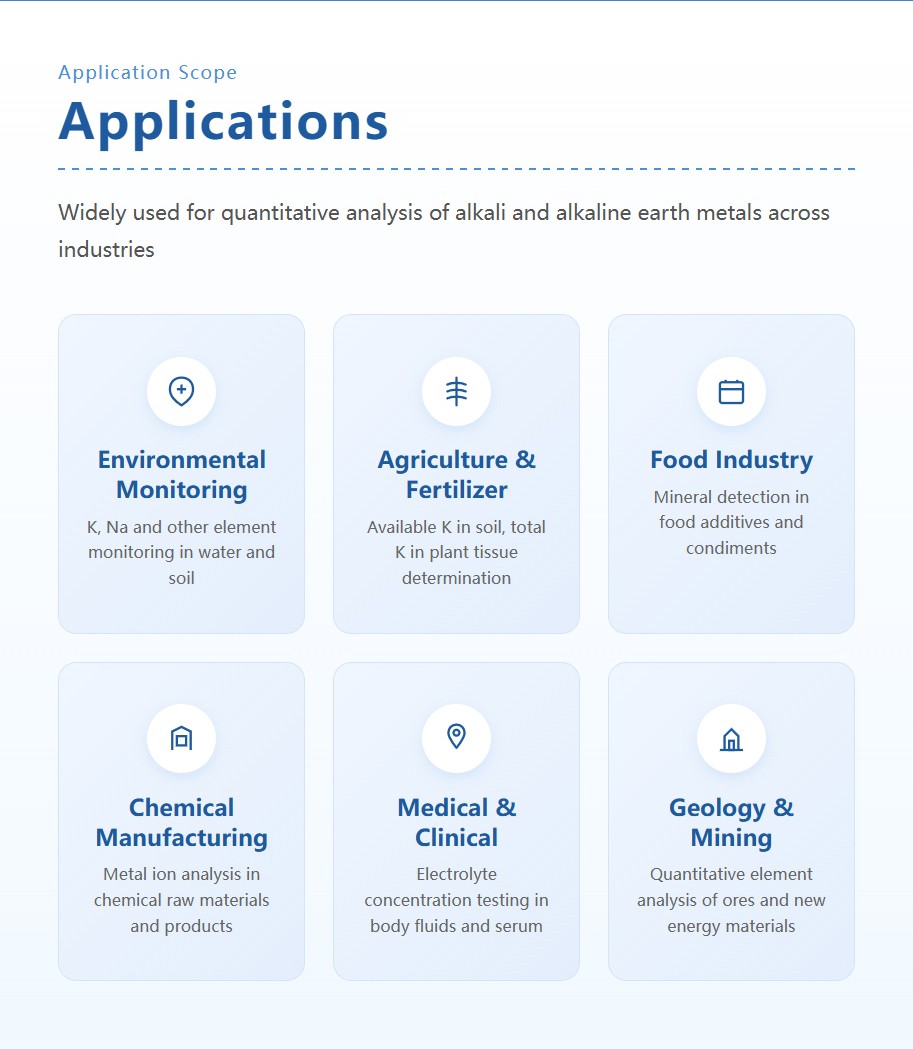
- Agricultural Soil Testing: Quantification of available potassium and exchangeable sodium in arable soil for fertilizer recommendation and soil fertility assessment, following NY/T889-2004 methodology.
- Forestry Soil Analysis: Determination of exchangeable potassium and sodium in forest soil profiles per LY/T1246-1999, supporting silvicultural nutrient management decisions.
- Environmental Water Monitoring: Measurement of potassium and sodium concentrations in surface water, groundwater, and irrigation water for salinity assessment and environmental compliance.
- Fertilizer Quality Control: Verification of potassium content in compound fertilizers and potash products to ensure label accuracy and regulatory compliance.
- Alkaline Soil Studies: Exchangeable sodium determination in saline-alkali soils per LY/T1248-1999, informing land reclamation and remediation strategies.
- Plant Tissue Analysis: Total potassium measurement in plant samples following NY/T2420-2013 flame photometer method for crop nutrition diagnosis.
- Clinical Electrolyte Screening: Rapid potassium and sodium determination in serum and urine samples for preliminary electrolyte balance assessment.
Key Features & Advantages
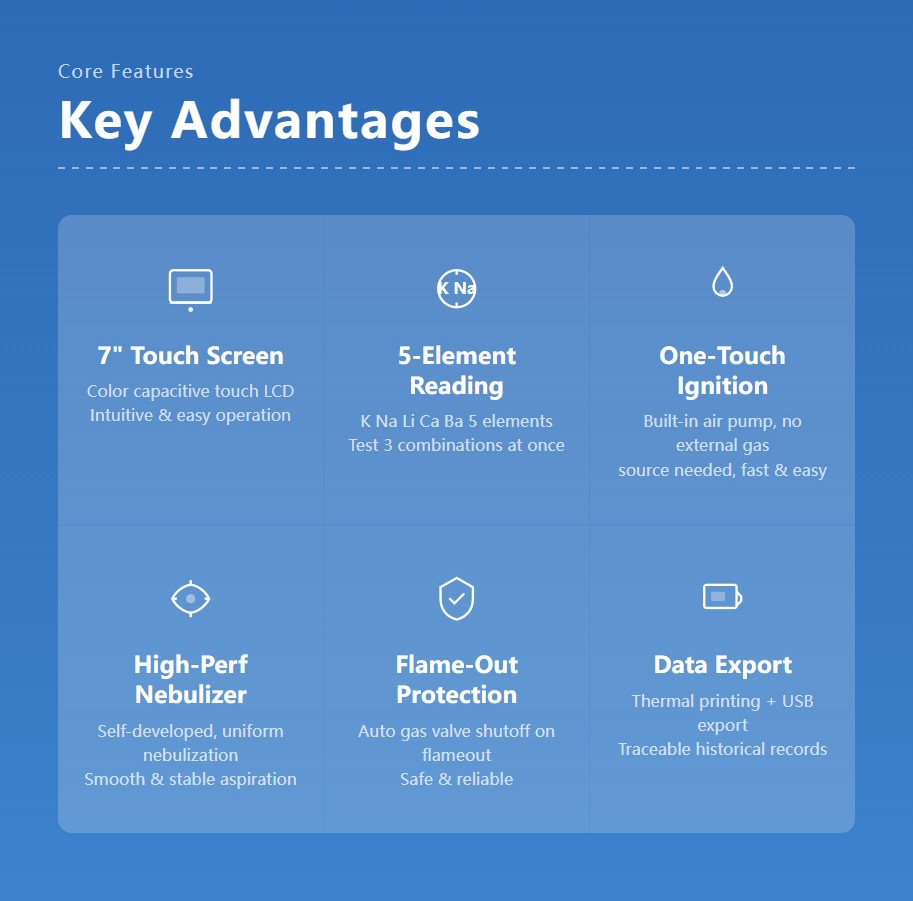
- 2-channel simultaneous detection — K and Na measured in a single aspiration, doubling throughput versus sequential single-channel instruments
- 7-inch color capacitive touch LCD — intuitive icon-based menu reduces operator training time and eliminates button-panel wear
- Built-in air pump with one-touch ignition — fully self-contained operation without external compressed air or gas cylinders
- High-transmittance interference filters — ultra-low stray-light optics deliver superior signal-to-noise ratio for trace-level detection
- Self-developed nebulizer — uniform aerosol generation with sample consumption below 6 mL/min, reducing reagent waste
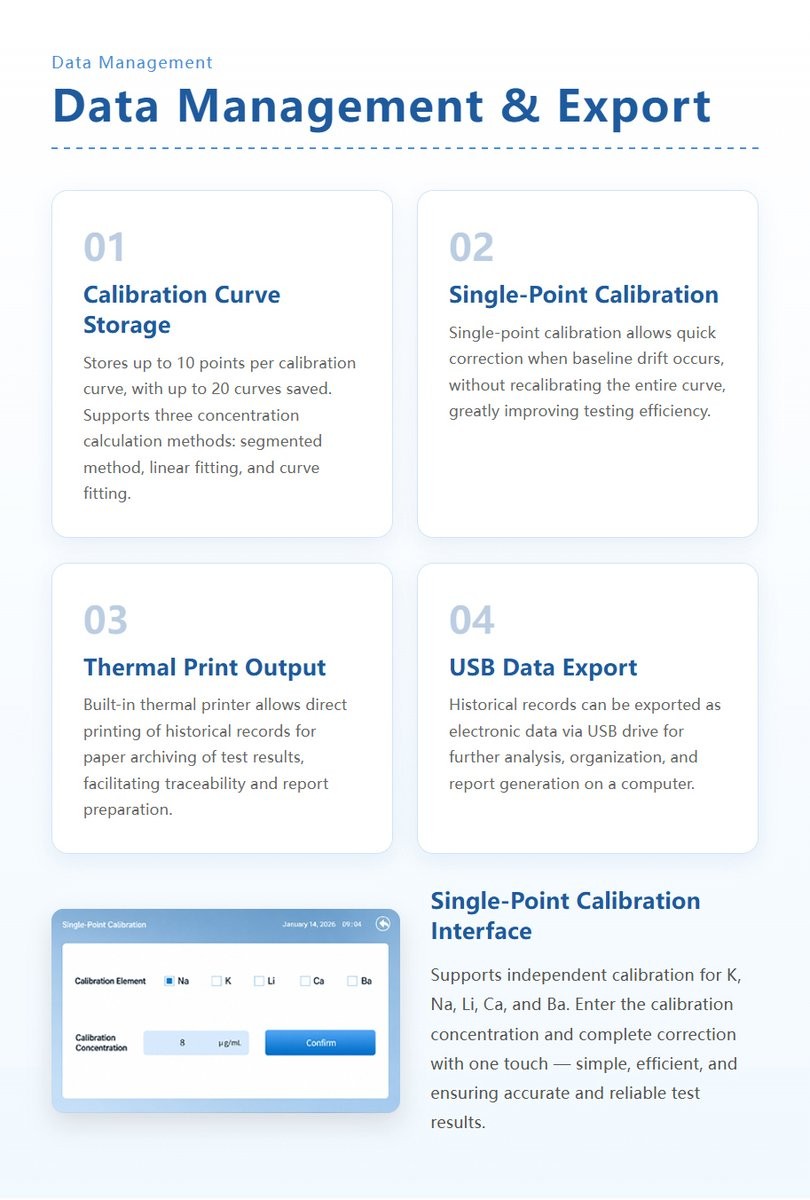
- 10-point calibration, 20 curves stored — pre-programmed methods for soil, water, and plant matrices ready for immediate use
- Segmented, linear, and curve fitting — flexible concentration calculation algorithms optimized for different concentration ranges
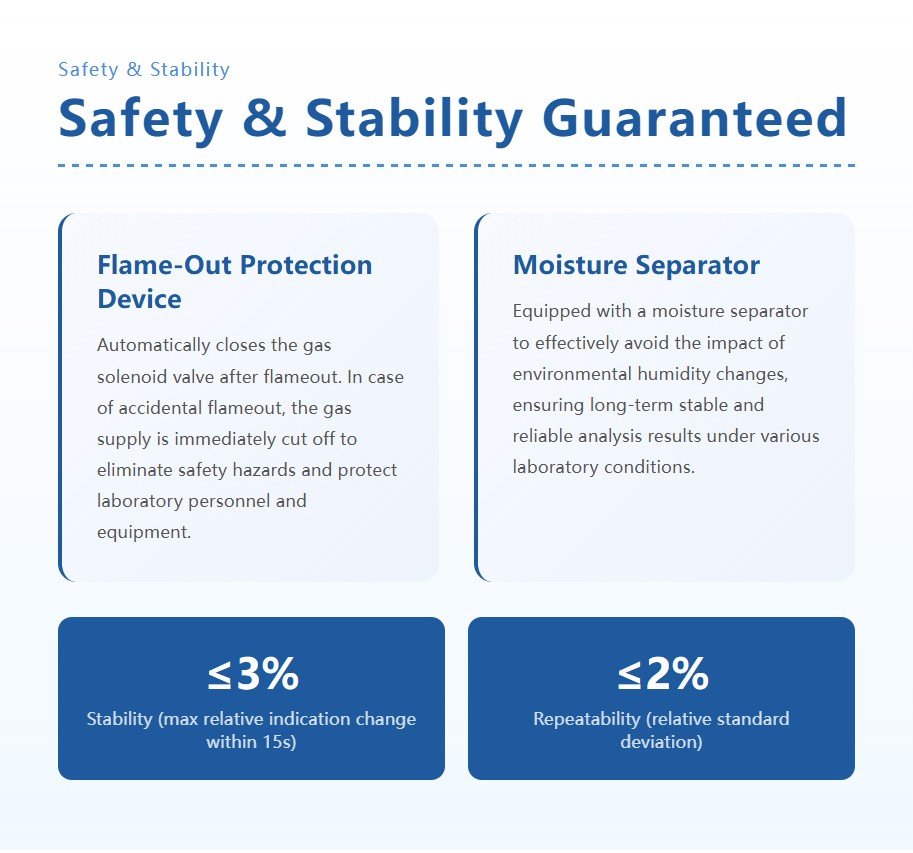
- Moisture separator — eliminates humidity-induced signal drift in tropical and high-humidity laboratory environments
- Flame-out protection — automatic solenoid valve shutoff prevents gas accumulation hazard during unattended operation
- Single-point calibration correction — rapid baseline drift compensation during extended batch runs without full recalibration
- Built-in thermal printer — immediate hard-copy documentation for chain-of-custody and quality control records
- USB drive data export — historical results exported to USB flash drive for LIMS integration and off-site backup
- Compact footprint — 460 × 325 × 450 mm bench space requirement suits crowded laboratory benches and mobile units
- Low power consumption — ≤50W at 220V standard supply, compatible with UPS backup systems for uninterrupted testing
Technical Specifications
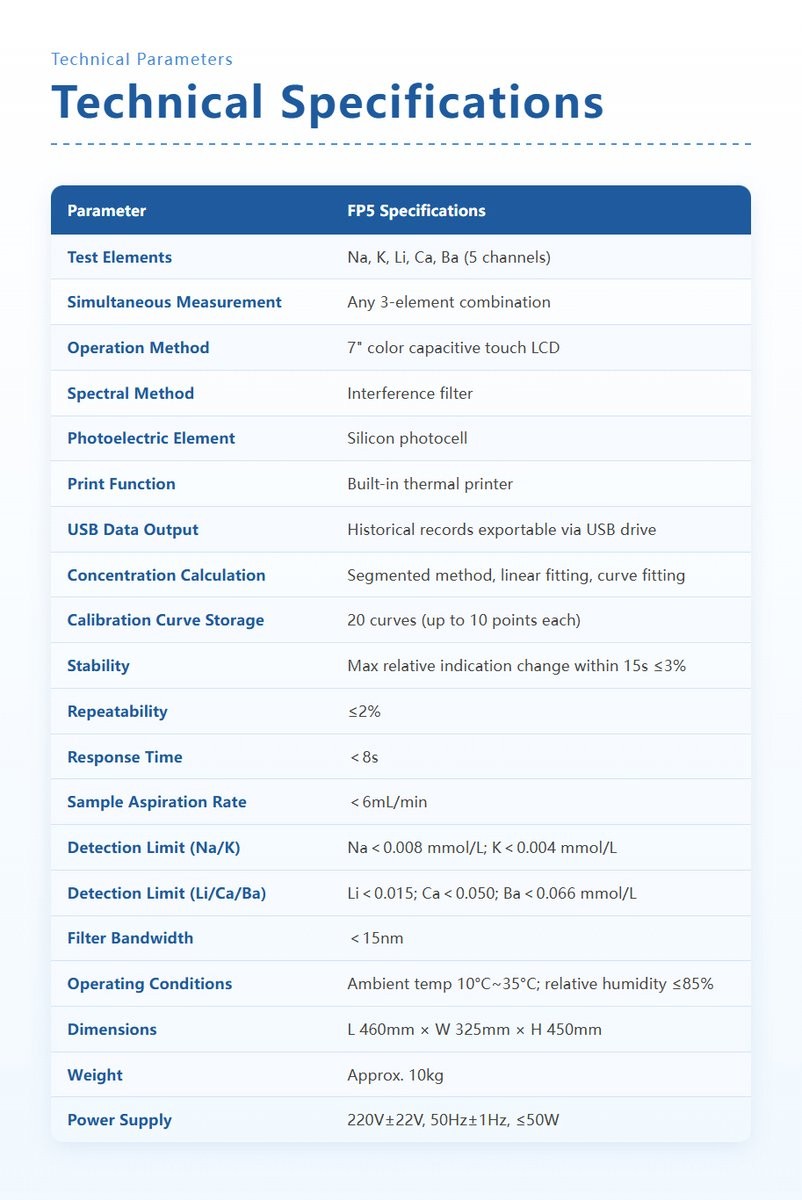
| Parameter | Specification |
|---|---|
| Model | HM-FP2 |
| Test Elements | K, Na (2 channels) |
| Spectral Method | Interference filter |
| Photoelectric Element | Silicon photocell |
| Operation Interface | 7-inch color capacitive touch LCD |
| Linearity Error | Na < 0.03 mmol/L, K < 0.005 mmol/L |
| Detection Limit | Na < 0.008 mmol/L, K < 0.004 mmol/L |
| Stability | ≤3% (max relative indication change in 15s), ≤8% (6 measurements) |
| Repeatability | ≤2% |
| Response Time | <8s |
| Sample Aspiration Rate | <6 mL/min |
| Filter Bandwidth | <15 nm |
| Filter Center Wavelength Error | Na < 5 nm, K < 7 nm |
| Concentration Calculation | Segmented method, linear fitting, curve fitting |
| Calibration Curves | Up to 10 points per curve, 20 curves total |
| Print Function | Built-in thermal printer |
| USB Data Output | Historical records exportable via USB drive |
| Ignition System | One-touch ignition with built-in air pump |
| Safety Features | Flame-out protection (auto gas solenoid valve shutoff) |
| Moisture Management | Integrated moisture separator |
| Operating Conditions | 10°C–35°C, relative humidity ≤85% |
| Dimensions | 460 × 325 × 450 mm |
| Weight | ~10 kg |
| Power Supply | 220V±22V, 50Hz±1Hz, ≤50W |
| Compliance Standards | JJG630-2007, LY/T1246-1999, LY/T1248-1999, LY/T1254-1999, NY/T889-2004, NY/T2420-2013 |
FAQ
Q1: Can the HM-FP2 replace my existing wet chemistry method for soil potassium analysis?
Yes. The HM-FP2 is designed to replace traditional wet chemistry titration and colorimetric methods for soil potassium and sodium determination. It complies with NY/T889-2004 and LY/T1246-1999 standards, providing direct concentration readout after a simple extraction step. Most laboratories report a 60–70% reduction in per-sample analysis time after switching to flame photometry, along with improved repeatability (≤2%) compared to manual endpoint methods.
Q2: Does the instrument require external compressed air or gas cylinders?
No. The HM-FP2 features a fully integrated air pump and one-touch ignition system. There is no need for external compressed air lines, LPG cylinders, or acetylene gas supplies. This self-contained design simplifies installation, reduces laboratory infrastructure requirements, and makes the instrument suitable for field laboratories and mobile testing units where gas infrastructure is unavailable.
Q3: How many calibration points can be stored, and how does this affect soil analysis accuracy?
The HM-FP2 stores up to 20 calibration curves, each with a maximum of 10 calibration points. For soil analysis, laboratories typically prepare a 5-point or 7-point calibration series covering the expected potassium and sodium concentration range of their sample matrix. The segmented fitting algorithm ensures linearity across the full working range, and the single-point calibration feature allows quick baseline correction between batches without repeating the entire calibration sequence.
Q4: What maintenance does the nebulizer require for consistent soil sample analysis?
The self-developed nebulizer in the HM-FP2 is designed for low-maintenance operation. For soil extracts, we recommend flushing the aspiration system with deionized water for 2–3 minutes after every 20 samples to prevent salt buildup. The moisture separator should be drained daily in high-humidity environments. The nebulizer capillary can be cleaned with dilute acid monthly if aspirating high-salinity samples. No specialized tools are required for routine maintenance.
Q5: Is the HM-FP2 suitable for both soil and water sample matrices?
Absolutely. While the HM-FP2 is optimized for soil testing workflows, it handles water sample matrices equally well. The stored calibration curves can be organized by matrix type — one set for soil extracts and another for water samples — allowing laboratories to switch between applications without recalibration. The instrument's detection limits (Na < 0.008 mmol/L, K < 0.004 mmol/L) are suitable for most environmental water monitoring requirements.
Q6: How does the flame-out protection system work?
The HM-FP2 is equipped with a flame-out protection device that continuously monitors flame status during operation. If the flame extinguishes for any reason — gas supply interruption, draft, or fuel depletion — the system immediately triggers an electromagnetic solenoid valve to cut off the gas supply. This prevents unburned gas from accumulating in the laboratory, eliminating a significant safety hazard. The protection system operates independently of the main control board for maximum reliability.
Expert Review
Address of this article:https://www.labinstruments.net/pro14/soil-potassium-sodium-flame-photometer-testing.html
- Previous: no more
- Next: HM-FP3A Flame Photometer for Agricultural Soil and Plant Calcium Potassium Sodium Analysis